
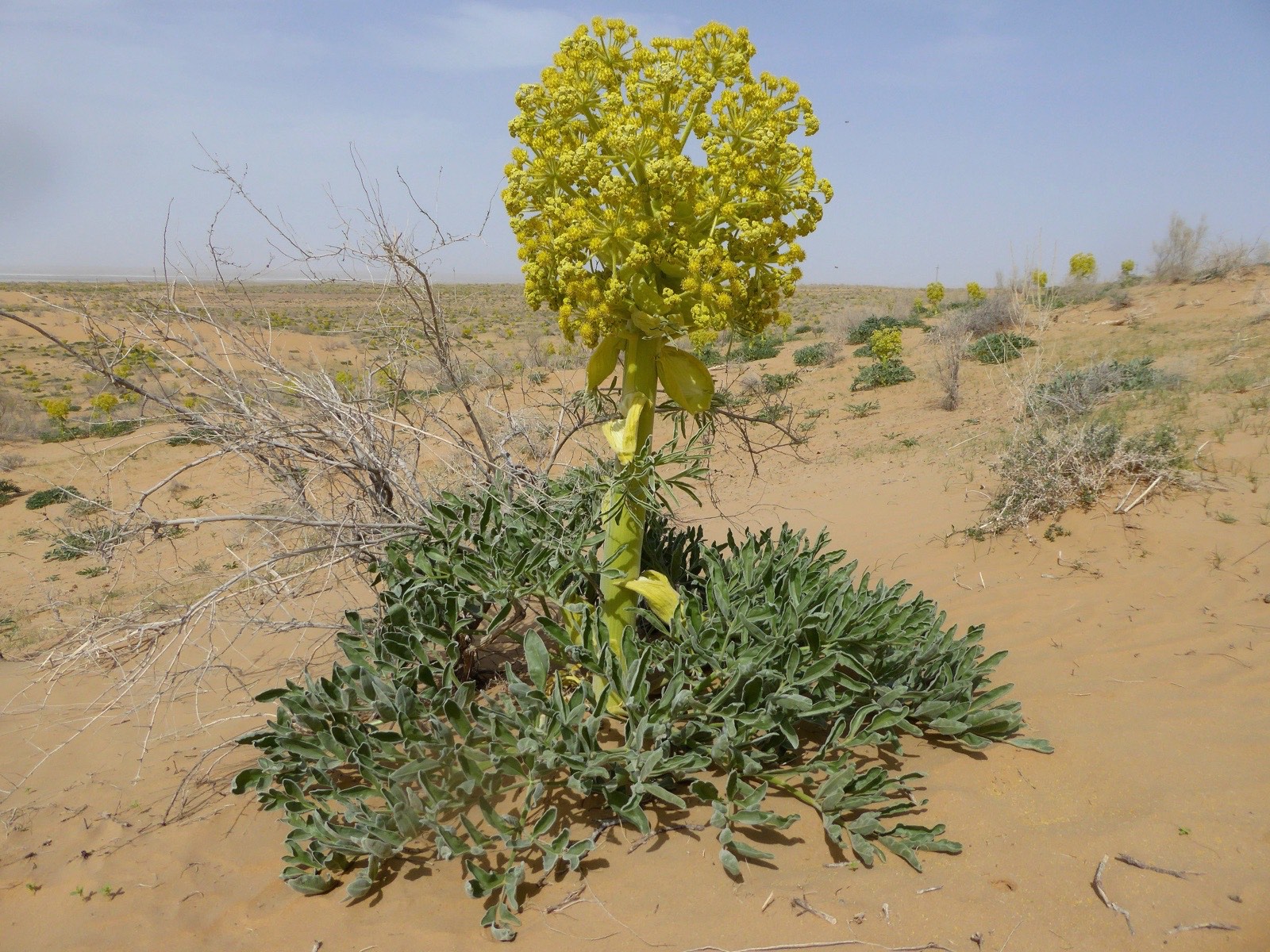
Asafoetida, called hing in Indian kitchens, is a dried plant resin that you use by the pinch to give beans, lentils and vegetables a savory, onion-and-garlic depth. Its best-documented benefit is culinary. Ayurveda ranks it first among substances that kindle digestion and move Vata downward, which is why it goes into dal. Two small trials of a branded hing capsule reported less indigestion, both run by its manufacturer. That is a reason to cook with it, not to treat anything with it.
This page is education, not medical advice. If you are pregnant, feeding an infant, or taking regular medication, read the safety section before you start a hing habit.
What hing actually is
Start with the smell, because everyone does. Raw hing is sulfurous and loud. Hot fat changes it. A pinch dropped into ghee goes mellow within seconds, and what reaches the plate tastes like slow-cooked onion and garlic.
The source is a giant fennel. Hing is an oleo-gum resin from Ferula plants, mostly Ferula assa-foetida, a species native to Afghanistan and Iran. The milky latex is scraped from cut roots, again and again, until it stops flowing. It dries into a hard, sticky lump.
Most of what you buy is not that lump. The yellow powder in the small round tin is compounded hing. India's food standard defines compounded asafoetida as one or more kinds of asafoetida mixed with gum arabic, edible starches or edible cereal flour. That flour is usually what makes the powder pourable. It also means a jar of hing can carry wheat. If you avoid gluten, read the ingredient list, every time, on every brand.
What Ayurveda says about hing
The classical texts do not treat hing as a garnish. In the chapter of the Charaka Samhita that lists the single best substance for each job, hingu is named foremost among substances that cut through accumulation, kindle digestion, move Vata downward and settle both Vata and Kapha.
Read that list as a cook would. Vata is the dosha of air and movement, and its classic digestive complaint is gas. Beans and lentils are the foods Ayurveda expects to stir it up. So hing goes into the dal, the chickpeas and the mung, at the start, in the fat. That is the tradition's whole logic in one move, and it is the reason the spice survives in kitchens that have never heard of a dosha.
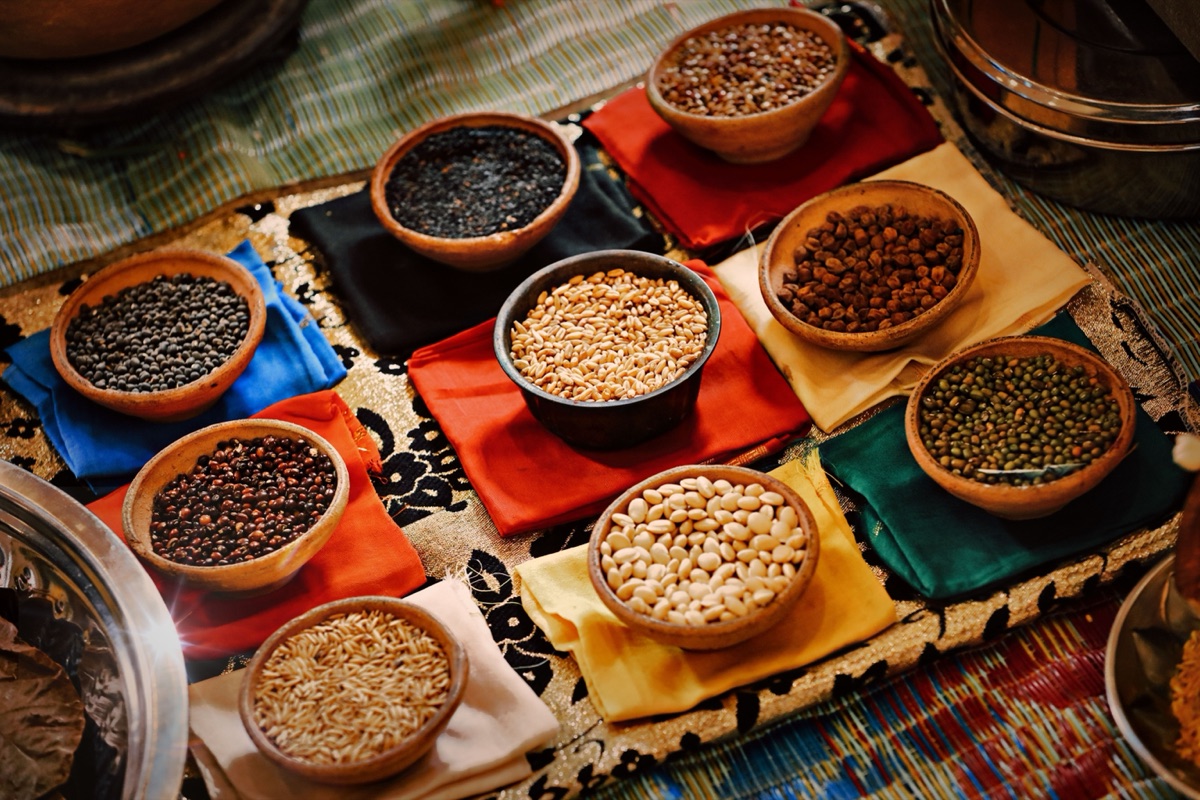
If you want to know where your own digestion sits in that picture, the guide to eating for your dosha lays out what each constitution tends to need. Hing is mainly a Vata and Kapha tool. Anyone who runs hot does well to keep it to a pinch.
What research has actually measured
Here is the part most hing articles skip. The modern evidence for hing as a digestive aid in people is two trials, and both were run by the company that sells the product being tested.
In the first, 43 adults with functional dyspepsia, the medical term for recurring indigestion with no structural cause, took 250 mg capsules of a food-grade hing formulation or a placebo twice a day for 30 days. The hing group reported larger improvements on symptom questionnaires than the placebo group, and no adverse events were recorded. In the second, 62 people with the same complaint took 250 mg a day of a newer formulation or a placebo for 14 days, and the hing group reported less bloating, early fullness and heartburn.
Those are encouraging, small and short. Both studies were authored in part by employees of the manufacturer, both used a proprietary formulation rather than kitchen hing, and neither was designed to show what a pinch in your dal does. Laboratory and animal studies of the resin cover a long list of effects. They are not evidence about people eating it.
The older version of this page said hing heals impotence, lowers blood sugar and thins the blood. We removed those claims. We found no human evidence that supports them, and a spice that has to be sold with promises like that is being oversold.
How to cook with it
The rule is simple. Hing goes into hot fat, briefly, before anything else.
- Warm a spoon of ghee or oil until a cumin seed sizzles when dropped in.
- Add cumin or mustard seeds and let them pop.
- Add a pinch of hing, a few seconds only. Smaller than you think. An eighth of a teaspoon of compounded powder is a lot for a pot of dal for four.
- Pour the tempering over cooked dal or beans, or add your onions and carry on.
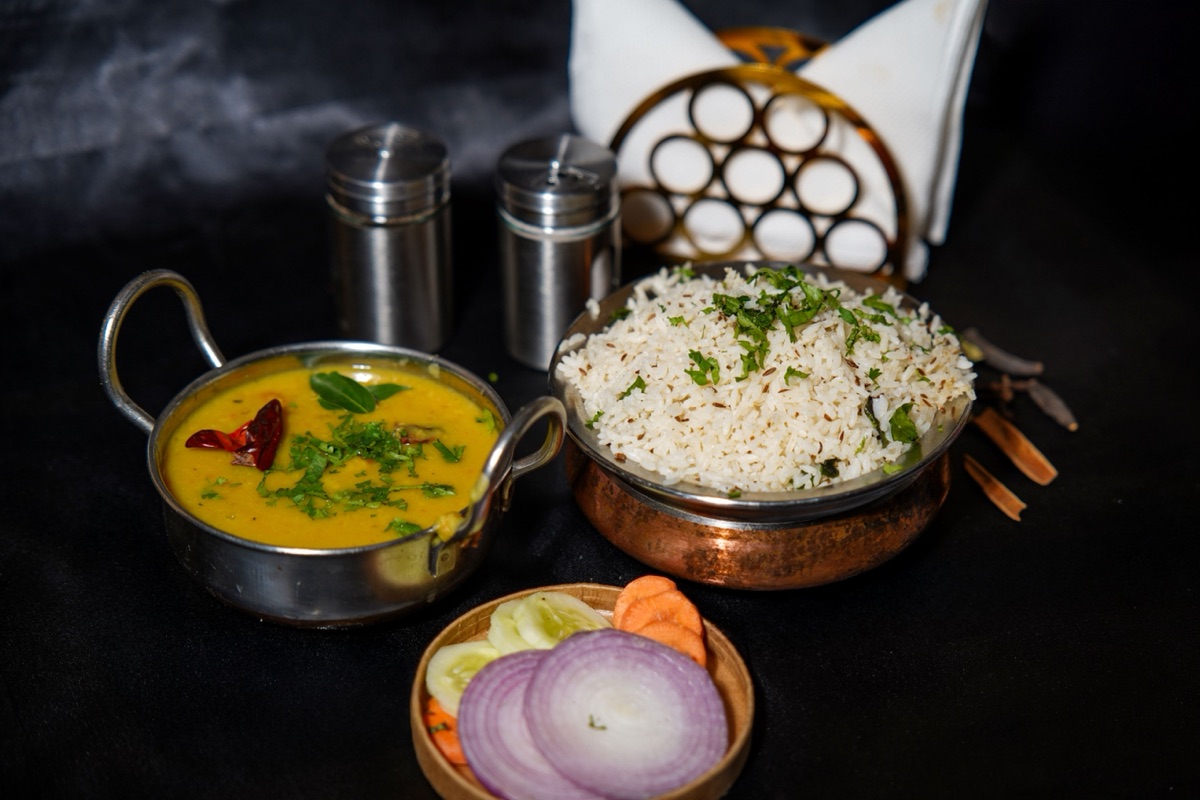
If you skip onion and garlic, hing is the traditional stand-in. It pairs with ginger, cumin and turmeric, and with the slow, moist, warm meals the autumn guide on what to eat for Vata describes. For a wider view of how Ayurveda reads gas, bloating and appetite, start with the Ayurvedic guide to gut health, and the piece on why digestion gets irregular in autumn.
Who should be careful
Infants first. Medical case reports describe babies who developed methemoglobinemia, a dangerous loss of the blood's ability to carry oxygen, after being given asafoetida as a folk or herbal remedy. One infant was treated in 1984, another in a report published in 2020. Do not give hing remedies to babies.
Beyond that, the questions are practical ones for your doctor or pharmacist, not for a blog. Ask before using concentrated hing supplements or oils if you are pregnant, breastfeeding, or taking regular medication. If you have coeliac disease, buy only hing labelled gluten-free and confirm the ingredient list. If indigestion is new, persistent, or comes with weight loss, trouble swallowing or vomiting, that needs a clinician, not a spice.