
Digestion gets irregular in autumn because, in Ayurveda, autumn is Vata season, and Vata's cold, dry, light and moving qualities make your digestive fire (agni) flicker instead of burning steadily. Ayurveda describes what that looks like as the weather turns: an appetite that shows up one day and disappears the next, more gas and bloating, and elimination that gets drier and less predictable. The first Ayurvedic answer is not a cleanse or a new supplement. It is rhythm and warmth. Meals at the same times, cooked food, warm drinks, a little good fat, and gentle digestive spices.
Your gut is not broken. It is reacting to the wind.
If your digestion behaved all summer and now it does not, you may assume something has gone wrong with it. Look out the window first.
The days are shorter. The air is cooler and drier. The wind picks up and the leaves dry out and scatter. Ayurveda reads a season by its qualities, and those are the qualities of Vata, the dosha of air and space: cold, dry, light, rough and always moving.
One of the system's basic rules is that like increases like. When the world outside turns dry and restless, the same qualities build inside you. Gas, bloating, dry, hard stools and a low appetite are on Ayurveda's own list of Vata signs, so your gut is often where you notice it. The seasonal cycle in Ayurveda expects this every year. It is not a failure. It is a forecast.
Vishama agni: the variable fire Ayurveda links to Vata
Ayurveda judges gut health by the fire doing the work, not only by the food. The texts describe four states of agni: balanced, irregular, sharp and slow. The irregular one is called vishama agni.
It looks like this. Hungry at noon on Monday, not hungry at all on Tuesday. Energized after one meal, flat after the same meal the next day. Food that digests well one day and sits badly the next. Elimination that swings toward dry and sluggish. Ayurvedic teaching pairs this variable fire with Vata, the way it pairs the sharp fire with Pitta and the slow fire with Kapha.
Here is the part most people miss. Irregular is not the same as weak. A slow fire needs a lighter load. A flickering fire needs shelter from the wind. If you respond to an unpredictable gut with a raw salad for lunch, a juice fast or a skipped dinner, you are adding more wind. Steadiness is the medicine Ayurveda reaches for here, and our Ayurvedic guide to gut health covers the full agni picture if you want the foundation first.
How autumn's dry, cold, light qualities show up in digestion
Match what you feel to the quality behind it. It tells you what to add.
- Dry. Stools that are harder or take more effort. Often dry lips and skin at the same time. The opposite quality is moist and oily.
- Cold. Iced drinks and raw salads that sat fine in July now leave you uncomfortable. The opposite is warm.
- Light and moving. Gas, bloating, gurgling. An appetite that skips a meal, then turns into sudden hunger at 4pm. The opposite is grounding and regular.
- Changeable. Bloated on Wednesday, fine on Thursday, for no reason you can name. The opposite is routine.
Ayurveda also watches what happens when the fire cannot finish the job. Food that is only partly processed leaves a residue it calls ama, described as heavy and sticky. A coating on your tongue in the morning and heaviness after meals are two of the signs it points to. In autumn, a variable fire makes that more likely.
Regular beats perfect: fixed meal times as the first fix
Vata's nature is irregular, so the Ayurvedic counterweight is routine. Before you change a single ingredient, change the clock.
Pick three meal times you can actually keep, and keep them every day. If a meal time comes and you are barely hungry, eat something small and warm rather than skipping it. Make lunch the largest meal, because Ayurveda teaches that agni peaks when the sun is highest. Keep dinner smaller and earlier. Do not skip meals to "reset." In Vata season, skipping is the problem, not the fix.
We could not find a study that tests the Ayurvedic idea of an autumn fire. One large survey is still worth knowing about. In a Swedish questionnaire study of more than 16,000 adults aged 45 to 75, with diagnosed digestive diseases left out, Ohlsson and Manjer found that the more physically active people were in their free time, the less likely they were to report each of the four gut complaints the study measured: abdominal pain, bloating, constipation and diarrhea. People who ate lunch less than every day were more likely to report diarrhea than people who ate it daily. Skipping breakfast only tended to go with bloating, and that link did not reach statistical significance. Two limits matter. In that study, an irregular meal meant one not eaten every day, not one eaten at different times, so it did not test fixed meal times. And it was a one-time survey, so it shows association, not cause, and it says nothing about seasons. Still, it is a reason not to wave off the boring advice: eat your meals, and move your body.
Warm water, cooked food, a little ghee, digestive spices
Once the rhythm is in place, bring in the opposite qualities. Warm, moist, grounding, oily.
- Warm water through the day. Sip it, sitting down, rather than gulping a cold glass. Ayurveda has long advised against ice cold water, and our piece on the Ayurvedic way to drink water covers the rest of the traditional guidance.
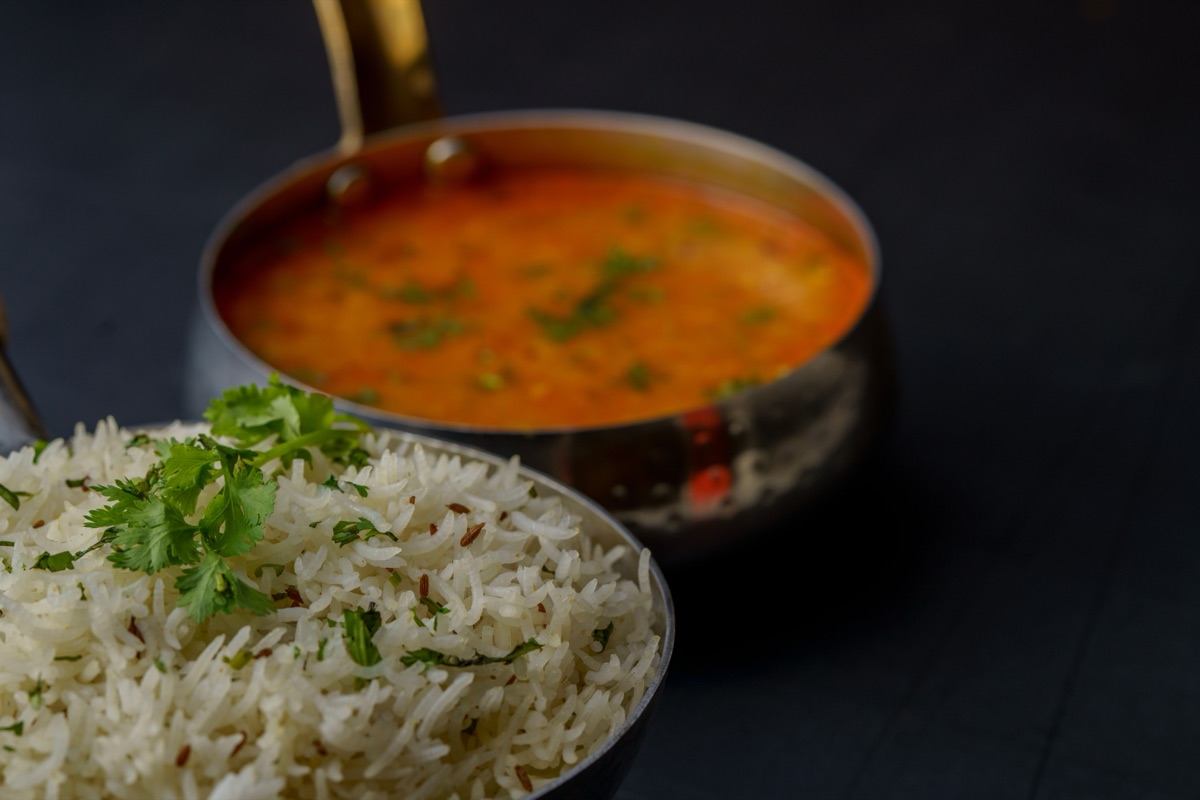
- Cooked food over raw. Soups, stews, dal and rice, root vegetables, winter squash, sweet potato. The autumn vegetable stew in our archive is built on exactly this idea.
- A little ghee or sesame oil. Tradition uses a spoonful of good fat to counter dryness and help the fire take hold. A little stirred into rice or over cooked vegetables is enough.
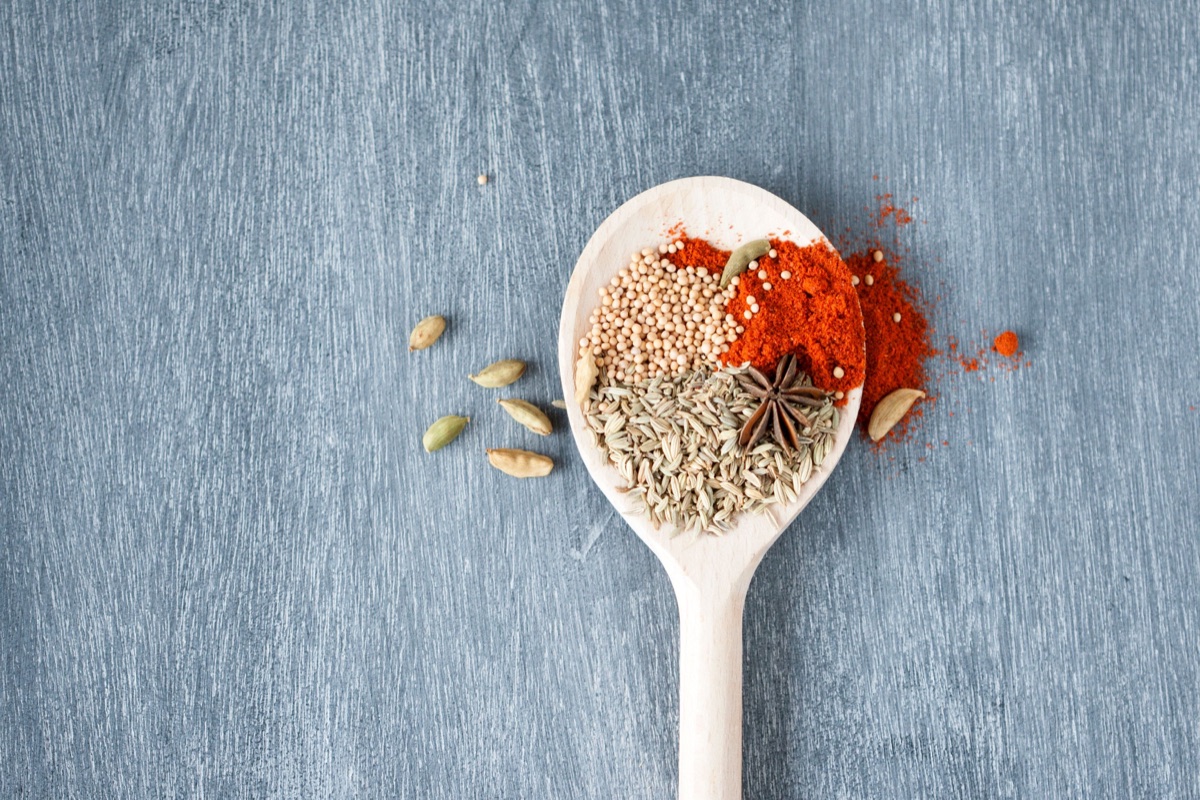
- Digestive spices in the pot. Ginger, cumin, fennel, black pepper, and a pinch of asafoetida in lentils. Cook with them. You do not need capsules.
If you drank cumin, coriander and fennel tea after lunch this summer, keep it. Ayurveda counts coriander and fennel as cooling, so once the weather turns, add a thin slice of fresh ginger, which it counts as warming. If you take medication or manage a diagnosed condition, check with your provider before adding any herb beyond ordinary cooking amounts.
What to stop doing: grazing, cold drinks, eating on the move
Adding good habits is half of it. The other half is removing the ones that feed the wind.
- Grazing. A handful of nuts here, a cracker there. Ayurveda names eating before the last meal has digested as one of the main ways ama builds. Leave real space between meals. One caveat: if big meals are what bloat you, the NHS suggests smaller, more frequent meals instead. Smaller meals at set times, with a gap between them, respects both.
- Cold drinks and cold breakfasts. Iced coffee, smoothies straight from the fridge, yogurt eaten cold at 7am. Swap one of them for something warm this week.
- Eating on the move. In the car, standing at the counter, scrolling. Vata is already movement. Sit down, put the phone in another room, and chew.
- The big late dinner. A heavy meal at 8pm asks a winding-down fire to do its hardest work. The NHS bloating advice says the same thing in plainer words: do not eat large meals late at night.
Changes that are a reason to talk to your provider, not to adjust your spices
The seasonal shift this post is about is the mild kind that comes and goes. Some changes are not seasonal, and no amount of ginger should delay a conversation with your doctor.
The National Institute of Diabetes and Digestive and Kidney Diseases (NIDDK) advises seeing a doctor if constipation does not go away with self-care or if you have a family history of colon or rectal cancer. It advises seeing one right away if constipation comes with bleeding from the rectum, blood in your stool, constant pain in your abdomen, being unable to pass gas, vomiting, fever, lower back pain, or losing weight without trying.
The NHS advises seeing a GP if you feel bloated regularly, if you have changed your diet and still keep feeling bloated, or if bloating comes with weight loss you did not intend or blood in your stool. It advises an urgent appointment if bloating comes with vomiting, diarrhea or constipation, stomach pain, a fever, a swelling or lump in your tummy, or acid reflux, or if you cannot pee, poo or pass gas. And it says to call emergency services if your stomach is swollen and you also have a sudden, severe stomach ache, are vomiting blood, or are struggling to breathe.
Add one more rule of your own. Anything new that keeps going, or that simply worries you, is worth a visit. Ayurveda works alongside medical care, not instead of it.
A one-week autumn gut routine
Do not overhaul everything on Monday. Layer it in.
- Days 1 and 2. Choose your three meal times and write them down. Keep a flask of warm water with you.
- Days 3 and 4. Replace one cold or raw meal a day with something cooked. Add a little ghee or sesame oil to it.
- Day 5. Cook with ginger and cumin. Try the tea after lunch.
- Day 6. Sit down for every meal. No screens. After lunch, take an unhurried walk, even a short one.
- Day 7. Check in. How is your appetite? How do you feel an hour after eating? Is elimination steadier? What does your tongue look like in the morning?
Keep what helped. Drop what did not. The season will keep changing. Your routine is the one thing that does not have to.