
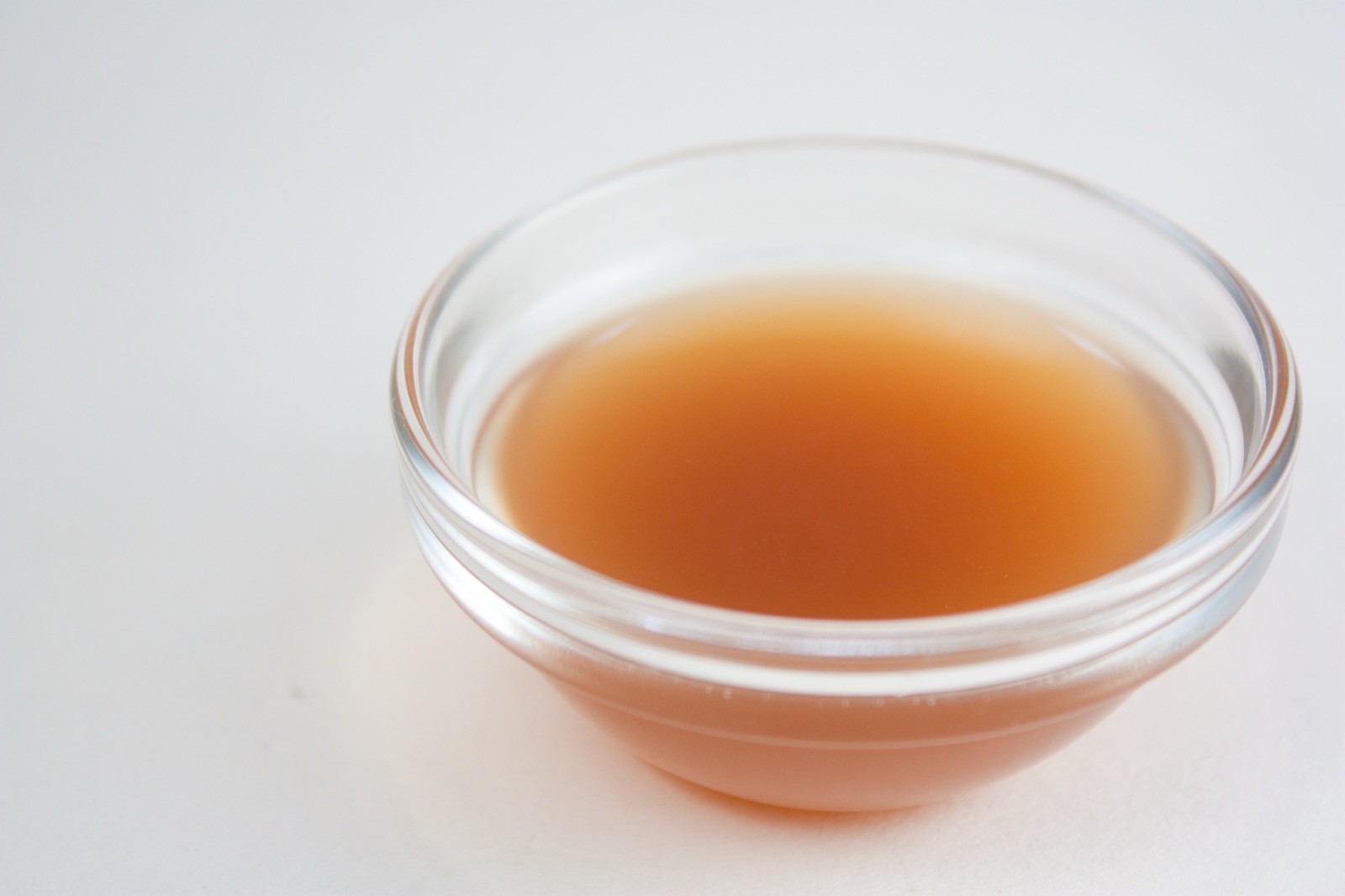
In Ayurveda, apple cider vinegar is a sour, heating food. The classical texts say the sour taste wakes up digestion, and that too much of it aggravates Pitta, makes the teeth sensitive and burns the throat. So a little in your cooking suits most people, Vata types especially, while anyone who runs hot should go easy. Modern research on vinegar for blood sugar and weight is small, short and modest, and case reports link a daily vinegar drink to worn tooth enamel and vinegar tablets to injury of the oesophagus.
This page is education, not medical advice. If you take regular medication or have a digestive condition, read the section on medicines before you start a daily vinegar habit.
What apple cider vinegar is
Apple cider vinegar is apples, fermented twice. Yeasts first ferment the sugars from the apples into cider, then bacteria turn the cider's alcohol into vinegar. Besides water, its main component is acetic acid.
That second fermentation is the point to hold on to. Whatever the label promises, what you are drinking is an acid. Ayurveda would call it something simpler: sour.
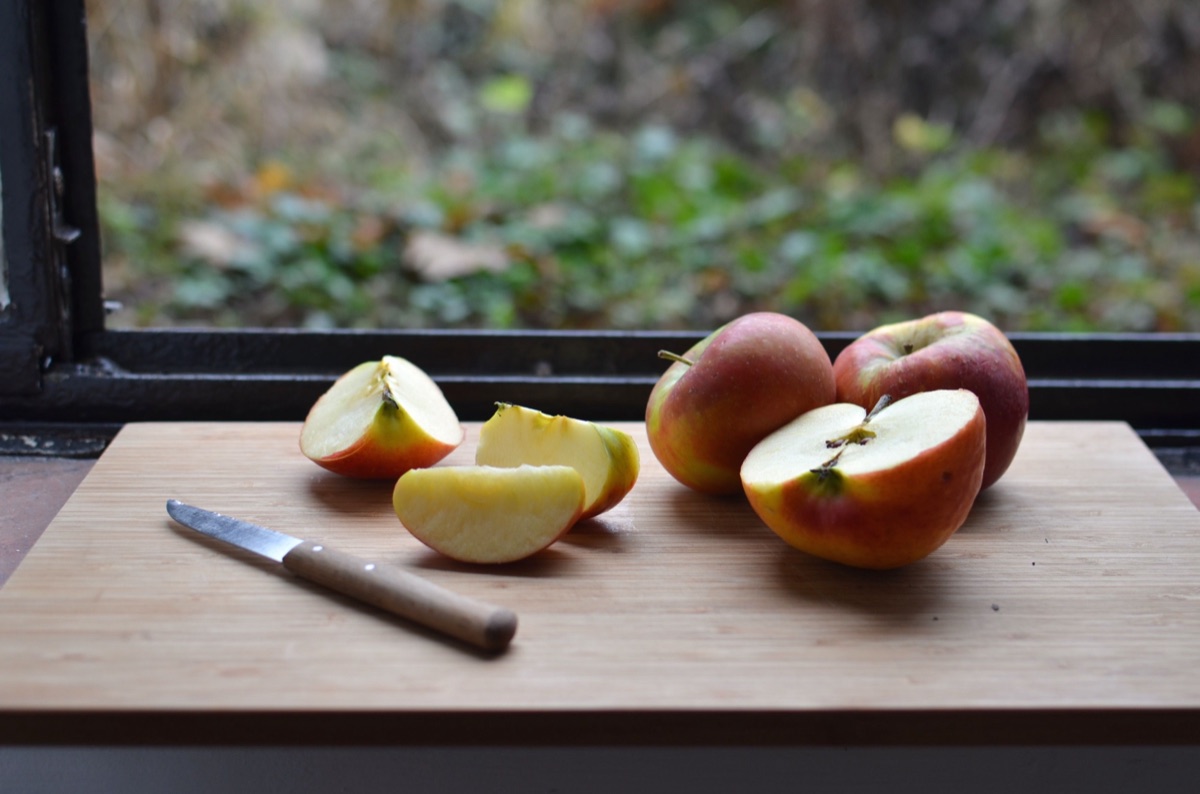
The Ayurvedic read: sour, heating, and a caution for Pitta
Ayurveda judges a food by its taste, rasa, and by what that taste does to the body. Vinegar is sour, amla in Sanskrit, and the Charaka Samhita describes the sour taste in detail.
The case for it comes first. In Sutrasthana chapter 26, verse 43, Charaka says the sour taste makes food relishing, stimulates agni, increases secretions in the mouth, helps digest food, and is light, hot and unctuous. That is why a sour accent belongs in an Ayurvedic meal at all. It is a taste that gets the digestive fire going.
Then, in the same verse, the warning. Used singly and in excess, Charaka says, the sour taste makes the teeth sensitive, causes thirst, aggravates Pitta, and causes a burning sensation in the throat and chest. Keep that list in mind. You will meet the teeth and the throat again in the safety section, in case reports written many centuries later.
Charaka also lists a fermented sour drink, shukta, among the foods and drinks of chapter 27. The online edition translates it as a sour liquor or gruel and says, in verse 284, that it aggravates Kapha and raktapitta, a bleeding disorder the texts tie to Pitta, while it regulates Vata. Shukta is not apple cider vinegar. It is a fermented sour drink, though, and the direction of the warning is the same.
You may have read, including on an earlier version of this page, that apple cider vinegar cools Pitta. The classical description of the sour taste says the opposite. Sour is hot.
Is apple cider vinegar good for Pitta?
In Ayurvedic terms, not as a daily drink. Pitta is the fire dosha, and the Pitta guide lists sour, fried and fermented food among the things to ease off. Vinegar is all of the first and the product of the third.
Here is how the six tastes play out across the doshas, as set out in what to eat for your dosha:
- Vata, cold, dry and light, does well with the sour taste in warm, cooked food. A splash of vinegar in a soup or a dressing over cooked vegetables fits.
- Pitta, hot and sharp, should keep sour as an occasional accent and balance it with sweet, bitter and astringent foods.
- Kapha, heavy and slow, does better with less sour and salt, so keep vinegar small.
Not sure of your type? The dosha quiz is a quick start. If a sour stomach, heartburn or a short fuse already sound familiar, you may not need it.
Apple cider vinegar and digestion
The Ayurvedic logic is simple. A little sour at a meal sparks appetite and digestion. A lot of it, on an empty stomach, adds heat where there may already be too much. The Ayurvedic guide to gut health explains why the strength of agni matters more than any single ingredient.
The modern picture adds one useful detail: vinegar slows the stomach down. In a small Swedish pilot study, Joanna Hlebowicz and colleagues gave apple cider vinegar to 10 people with type 1 diabetes whose stomachs already emptied slowly (gastroparesis). With vinegar, their stomachs emptied a rice pudding meal more slowly still, and the authors flagged that as a possible disadvantage for blood sugar control.
Slower emptying may be part of why vinegar blunts the rise in blood sugar after a meal. It is also a reason for caution if your stomach is already slow or you are prone to reflux. Even the Japanese weight trial described below screened out anyone who got heartburn from vinegar.
What studies on vinegar actually measured
Most claims about apple cider vinegar rest on a handful of small trials. Here is what four key papers measured, and where each one stops.
Blood sugar after a meal
In 2005, Elin Östman and colleagues at Lund University gave 12 healthy volunteers a breakfast of white bread with three amounts of vinegar or none. The largest amount lowered blood sugar at 30 and 45 minutes after eating, and the more vinegar, the fuller people said they felt. Measured across the full two hours, the difference in glycaemic index was no longer significant.
A 2017 systematic review and meta-analysis by Shishehbor and colleagues pooled controlled trials and found smaller rises in blood glucose and insulin after meals taken with vinegar. The authors call vinegar a possible “adjunctive tool” for blood sugar control, which means an add-on. The outcome was the rise after a meal, not long-term blood sugar.
Body weight
A widely cited weight trial is Tomoo Kondo's 2009 study in Japan. It randomised 175 adults with a body mass index of 25 to 30 to a daily drink containing apple vinegar or a placebo drink for 12 weeks, and 155 were analysed. Weight, waist size, visceral fat and blood triglycerides fell more in the vinegar groups than on placebo. The size matters: average weight dropped by about 1 to 2 kilograms over the 12 weeks, and the authors themselves called the reduction “not very high”. Four weeks after people stopped, weight was back at or near where it started. All five authors worked at the research institute of Mizkan Group Corporation, so this is a company’s own trial.
A 2025 meta-analysis by Castagna and colleagues pooled 10 randomised trials, each lasting at least four weeks, of apple cider vinegar in adults who were overweight or had type 2 diabetes. It found small to moderate drops in weight, BMI and waist size. The authors themselves note high variation between trials and signs of publication bias. One of the ten trials, a 2024 Lebanese study, has since been retracted, so the pooled figures include a trial that should no longer count and likely overstate the effect.
Put together: vinegar with a meal can soften the blood sugar spike that follows it, in small, short trials. Daily vinegar was linked to small weight changes over a few months that did not outlast the habit. None of it is a weight-loss plan.
Apple cider vinegar side effects: teeth, throat and potassium
This is where Charaka's warning and the modern case reports meet.
Teeth. Vinegar is acid, and acid dissolves enamel. In a 2014 laboratory study, Willershausen and colleagues soaked slices of enamel from extracted wisdom teeth in five vinegars for up to eight hours, and every one drew minerals out of the enamel, some far more than others. The authors caution that a mouth is not a lab dish. In a Dutch dental journal, Gambon and colleagues reported a 15-year-old girl whose erosive tooth wear was traced to a daily glass of apple cider vinegar, a habit the report ties to weight loss.
Throat. A 2005 report by Hill and colleagues in the Journal of the American Dietetic Association described oesophageal injury from apple cider vinegar tablets. The authors then tested eight tablet products and found wide variation in tablet size, acidity and acid content, inaccurate labels, and doubt that some contained apple cider vinegar at all.
Potassium. A 1998 case report by Lhotta and colleagues described low potassium (hypokalaemia), raised renin and osteoporosis in a patient who consumed large amounts of cider vinegar. It is one case, not a common outcome, but it shows what a very large habit can do.
The practical rules follow from all of this. Use vinegar in food or well diluted, never as a neat shot. Do not hold it in your mouth or sip it slowly through the day. Rinse with plain water afterwards. Skip the tablets.
Medicines: questions for your doctor or pharmacist
No web page can tell you how vinegar interacts with your medicines. If you take insulin or another medicine that lowers blood sugar, a diuretic (water pill), or digoxin, or if you have slow stomach emptying, reflux or kidney problems, take these questions to your doctor or pharmacist before you make vinegar a daily drink:
- Could a daily vinegar drink change my blood sugar readings with the medicine I take?
- Does my medicine affect my potassium, and should a daily vinegar habit change how it is monitored?
- Given my stomach or reflux history, is regular vinegar a sensible idea?
Your dentist is worth asking too, especially if your teeth are already sensitive.
Kitchen uses that fit Ayurveda
The Ayurvedic place for vinegar is the plate, not the shot glass. Treat it as one of the six tastes, an accent that completes a meal, and the question of how much mostly answers itself.
- Dressings. A little vinegar with oil, salt and cooling herbs like cilantro or mint, over cucumber or cooked greens. The herbs and vegetables bring the cooling side.
- Quick pickles. Thin slices of radish, cucumber or carrot in a vinegar brine. Treat them like any pickle: a spoonful on the side, not a bowl.
- A finishing splash. A few drops stirred into a pot of dal or soup at the end brighten it the way a squeeze of lemon does.
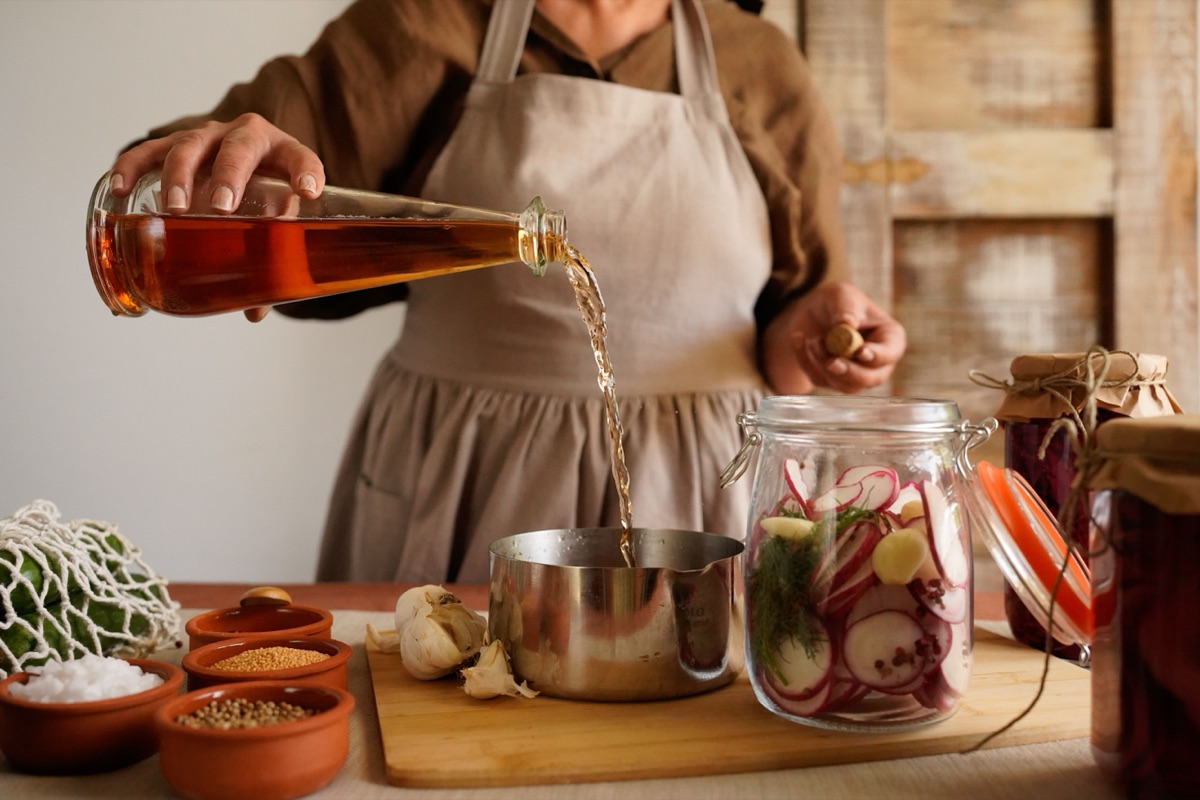
If you run hot, keep even these occasional, and watch for the signs that Pitta is running high: a sharper appetite, a sour stomach, a shorter temper. Ayurveda's answer to too much sour is not a better vinegar. It is less of it, and more of the tastes that cool.