
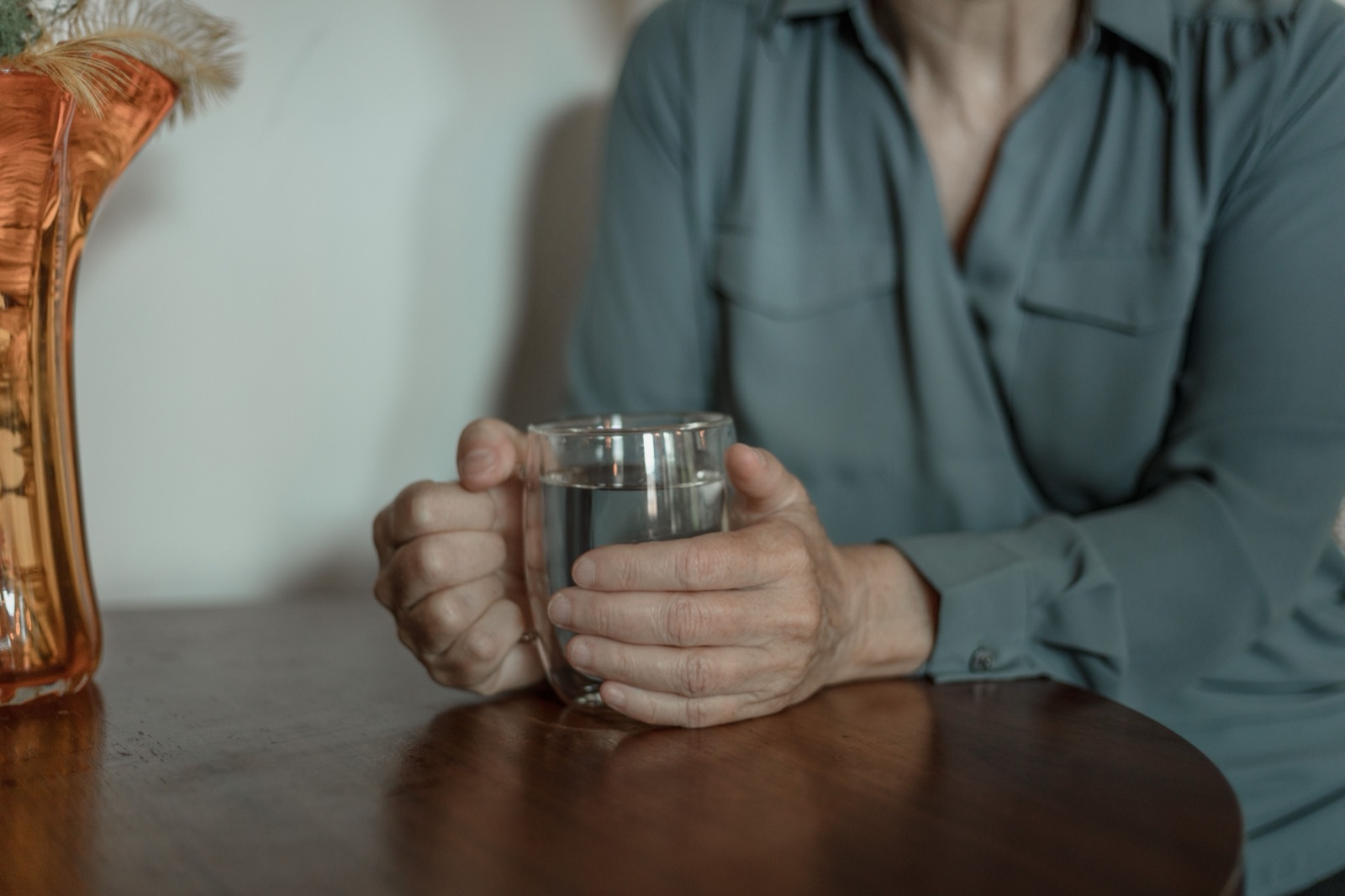
Ayurveda does not treat aging as something to beat. It reads later life as Vata time, the stage when the qualities of air and space grow stronger: dry, light, cool and changeable. Aging gracefully, in Ayurvedic terms, means answering those qualities with their opposites. Warmth. Oil. Regular hours. Cooked, nourishing food. Real rest. The tradition's word for care that builds you back up is rasayana, rejuvenation. None of it promises to make you younger. It offers a steadier way to live the decades you are actually in.
Aging is not the enemy
You have been sold aging as a problem. A line to fill. A number to beat. A supplement stack that claims to "reverse" something.
Ayurveda starts somewhere else. The classical texts group old age with hunger, thirst and death: natural conditions that come with time. They class it as yapya, something that can be managed but not cured. They also teach that poor food and habits can bring aging on early, and that daily care can slow it. The first part sounds bleak. It is the opposite. If aging cannot be cured, you can stop trying to cure it.
The question changes from "how do I stop this?" to "how do I live this well?" The first question sells products. You can answer the second on an ordinary Tuesday.
Three stages of life, three doshas
Ayurveda divides a lifespan into stages called vaya. The broad version has three: childhood (bala), the middle years (madhya) and later life (vriddhavastha). The tradition links each stage with the dosha that runs strongest during it.
- Childhood is Kapha time. Kapha is earth and water: building, moisture, growth, sturdiness. Small children grow fast and sleep a lot.
- The middle years are Pitta time. Pitta is fire: appetite, drive, ambition, heat. Careers, households, carrying everyone.
- Later life is Vata time. Vata is air and space: light, dry, cool, quick and changeable.
Two things to know before you file yourself under Vata. First, the classical texts do not put the start of old age at fifty. They place it after about sixty or seventy. Second, nobody turns Vata on a birthday. The shift is gradual, and your own constitution still matters. A sturdy, Kapha-built woman at seventy is not the same as a slight, Vata-built one.
If you do not know your dosha yet, start with our guide to understanding your dosha. The life stage sits on top of your constitution. It does not replace it.
What more Vata can feel like
In Ayurvedic terms, more Vata means more of its qualities in your body and mind. Skin that feels drier. Joints that feel stiffer in the cold. Sleep that is lighter and breaks more easily. Digestion that is less predictable than it used to be. A mind that runs ahead and worries more readily. Feeling the chill when everyone else is fine.
That is how the tradition reads those changes. It is not a diagnosis. Every one of them can have a medical cause too. New pain, sleep that will not settle, changes in your bowels or weight you cannot explain: take those to your doctor first, and bring Ayurveda in alongside.
What the Vata years ask for: warmth, oil, regularity, rest
Ayurveda's core rule is that like increases like and opposites bring balance. Vata is dry, so you add oil. It is cool, so you add warmth. It is light and scattered, so you add weight and routine. Ayurvedic writing on aging recommends oil treatments and heat treatments for exactly this reason: to counter the coldness and dryness it links with Vata in later life.
Warmth. Warm drinks instead of iced ones. Cooked meals more often than cold salads. Socks on, neck covered, when the weather turns.
Oil. A spoon of ghee or good oil in your cooking. And abhyanga, warm oil self-massage, a few minutes before your shower. One practical note the old texts did not need: oil makes a shower floor slippery. Sit down to massage, and wipe your feet before you step in.
Regularity. Meals at roughly the same times. Bed and waking at roughly the same times. Vata is changeable by nature, so a predictable day is its medicine. If you want a template, our simple daily routine lays one out from morning to night.
Rest. Not collapse at the end of a day spent looking after everyone else. Rest you plan for, the way you would plan a meal.
Rasayana: what the word means
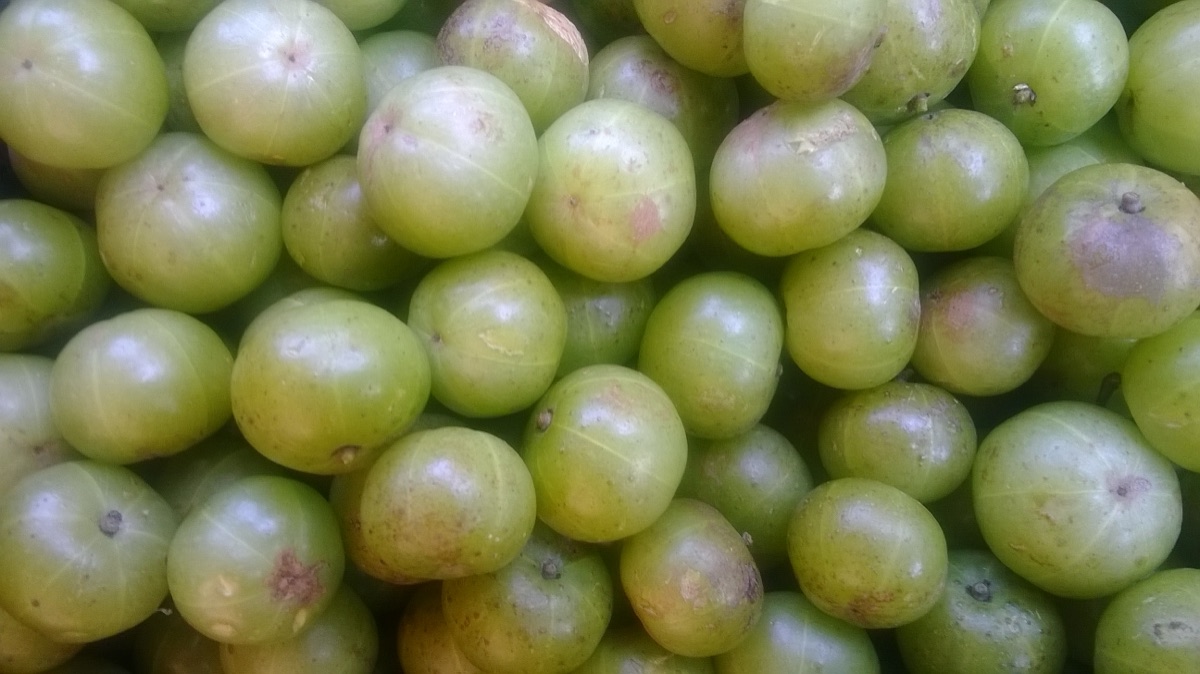
Rasayana joins two Sanskrit words. Rasa here means nourishment. Ayana means its path, the way it travels through the body. So the word points at nourishment that actually reaches you. In practice the tradition uses it for rejuvenating care, and for a whole section of herbs and preparations it keeps for that purpose. Ashwagandha and guduchi are both described as rasayanas. Amla (amalaki) is the base of rasayana preparations, including Chyawanprash, a jam-like blend of around 50 herbs with amla as its main ingredient.
There is also a rasayana with no herb in it at all. Achara rasayana means rejuvenation through conduct: a code of daily behaviour. Its list includes speaking the truth, avoiding anger, speaking kindly, kindness to living beings, balanced sleep and meditation. Ayurvedic writing on aging names it alongside oil massage, exercise and diet as a way to guard against aging. How you speak and how you handle anger are part of the prescription.
Now the honest part about the herbs. Calling a herb a rasayana is a statement about tradition. It is not proof that it slows aging in people. And herbs are active substances. Ashwagandha has been linked to liver injury in published case reports. A 2023 case series from India described eight people with liver injury tied to single-ingredient ashwagandha products; three of them, all with existing liver disease, died. A 2026 review gathered 25 published cases and found most people recovered after stopping the herb. The reports are few. They are also real. Talk to your doctor or pharmacist before you start any herb, and especially if you take prescription medicines.
Daily practices for the later decades
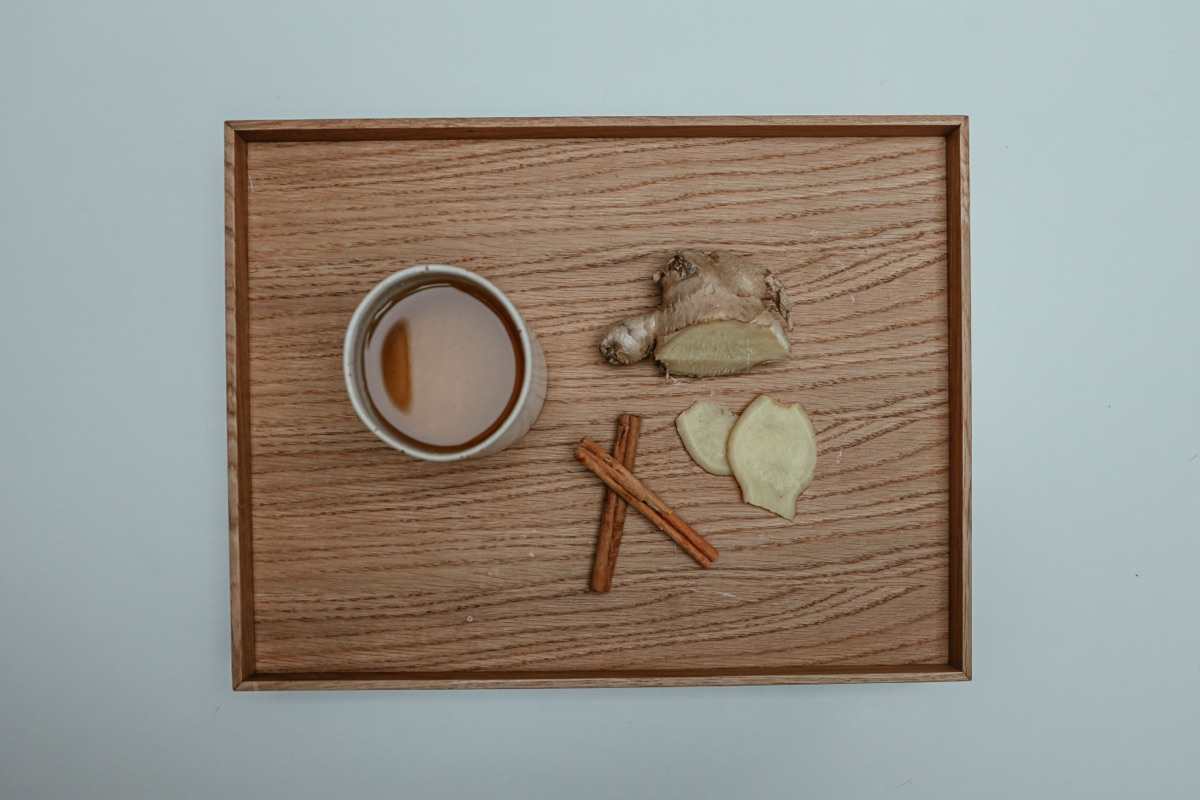
Morning warmth. Start with a cup of warm water or a simple tea of ginger, cumin or fennel. The tradition teaches that it wakes digestion gently. It is also a calm, repeatable first act of the day, which is half the point.
Nourishing food. Favour warm, cooked, slightly moist meals: soups, stews, dals, cooked grains, stewed fruit, a little ghee. Ayurveda prefers your largest meal at midday and a lighter, earlier dinner. If your appetite has shrunk, eat simply and regularly rather than skipping.

Movement, gentle and strong. Ayurvedic writing on aging tells older people to avoid vigorous exercise and excessive physical work, which it says provoke Vata. Walking, yoga and stretching fit that advice. Keep them. But gentle is not always enough. The World Health Organization's 2020 guidelines recommend that adults aged 65 and over, as part of their weekly activity, do varied activity that emphasises balance and strength training, at moderate or greater intensity, on three or more days a week, to build function and prevent falls. If you have a heart, joint or balance problem, ask your provider what is safe before you add load.
Sleep before midnight. Ayurveda teaches that the hours before midnight are the most restorative. That is tradition, and we will not dress it up as physiology. What does have support is keeping your sleep regular. In a UK Biobank study, about 61,000 adults with an average age of about 63 wore a wrist activity tracker for a week. Over the following six years or so, people whose sleep and wake times were more regular had a lower risk of death than the least regular fifth, and regularity predicted that risk better than sleep length did. It is an observational study with one week of data per person, so it cannot show that regular sleep causes a longer life. It does fit what the tradition asks of you: same bedtime, same wake time. The rhythm of sleep and our Ayurvedic sleep guide go further.
Meditation: what the studies do and do not show
You will read that meditation lowers your stress hormones, protects your cells and turns back your biological age. Here is what the evidence we could verify actually says.
- Stress and mood. A 2014 review in JAMA Internal Medicine included 47 randomised trials with 3,515 adults, many of them living with a health condition. Mindfulness meditation programmes gave small to moderate improvements in anxiety, depression and pain, with weaker evidence for stress. There was no evidence they did better than other active approaches such as exercise or medication.
- Cortisol. A 2021 review found that meditation lowered cortisol measured in blood, but only in groups of people living with a physical illness. In the studies that measured cortisol in saliva, the effect was small and not statistically significant.
- Telomeres. A 2020 review of 11 studies found people in meditation groups had longer telomeres, the protective caps on chromosomes. The effect shrank sharply once one outlying study was removed, and the authors called the support tentative.
- Biological age. None of these reviews measured it, so this page will not claim it.
That is a more modest picture than the headlines. It is still a good reason to sit. Five quiet minutes, same time each day, following your breath, is a small practice that asks nothing of your joints. For how steady practice fits into rebuilding your energy, read Ayurveda for energy and burnout.
Menopause and midlife changes: a conversation with your provider
Many women reading this are somewhere in or past menopause. Hot flushes, night sweats, broken sleep, vaginal and urinary discomfort and mood changes are common. They are also worth a proper conversation with your doctor, who can check what else might be going on and walk you through hormonal and non-hormonal options that have nothing to do with herbs.
Ayurveda sits alongside that care. It does not replace it. Warm oil, regular meals and a calmer evening fit with almost any plan your doctor suggests. Herbs may not, which is exactly why they belong in that conversation and not in a private experiment.
Grace in practice
You do not need all of this. Pick one thing for each Vata quality. One warm thing: the morning drink. One oily thing: a few minutes of oil on your feet at night. One regular thing: the same bedtime. One restful thing: five minutes of quiet.
Start with the one that costs you least. For most people that is the warm drink. Keep it for a week before you add the next. For more rituals built around the same idea, see Ayurveda for longevity.