

Your dosha and a dosha imbalance are two different things. Your dosha, what Ayurveda calls prakriti, is the constitution you were born with, and in the Ayurvedic view it does not change. An imbalance, vikriti, is the state you are in right now, and it moves with food, sleep, stress and weather. So if your skin goes dry, your mind gets busy and your sleep turns light every autumn, your dosha has not changed. In Ayurvedic terms, a dry, cold season has added Vata to your state. You adjust for the state and keep your constitution in view.
Your dosha did not change in October. Your state did.
You took the Dosha Quiz in spring and came out Pitta, or Kapha. It fit. Then the weather turns. Your lips crack. Your hands are cold by four in the afternoon. You lie in bed with a head full of open tabs, and you are awake before the alarm. Hunger shows up at odd hours, or not at all.
None of that sounds like your result. So you wonder whether the quiz was wrong, or whether you have become a Vata type.
Probably neither. The quiz answered one question: what were you built as? Your body is answering another one: what is happening to you this month? Both answers can be true at once.
Prakriti and vikriti: what you were born with, and what you are running now
Prakriti means your nature. It is the proportion of Vata, Pitta and Kapha you arrived with, and Ayurveda treats it as stable for life. It shows up in things that do not move much: the frame you have had since your twenties, the shape of your face, how you have tended to handle pressure for decades.
Vikriti means the altered state. It is today's mix, and it is supposed to move. Late nights shift it. So do long flights, hard months at work, cold dinners eaten standing up, and a change in the air.
Think of prakriti as your baseline and vikriti as today's reading. The guide to understanding your dosha covers the three doshas in full. Can your dosha change? In Ayurveda, no. Your state changes all the time, and the state is what you feel.
That is also why symptoms rarely point to one dosha. Most of us are layered (more on that in what to do when dosha symptoms overlap), and autumn makes the layering obvious.
Why a dry, cold autumn adds Vata to everyone
One of Ayurveda's oldest rules is that like increases like. Vata is described by its qualities: dry, cold, light, rough and moving. Now look out the window. In a typical temperate autumn temperatures drop, the colder air holds less moisture, the wind often picks up and the days get shorter. Life speeds up too. Calendars fill. School starts.
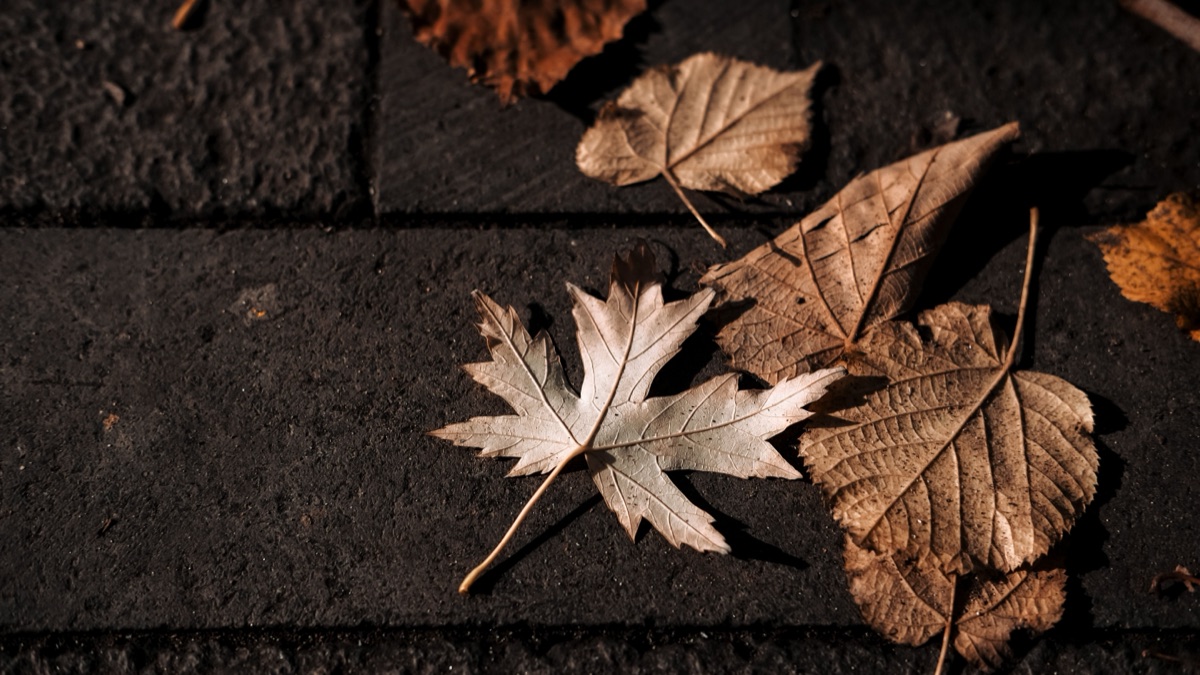
Every one of those is a Vata quality. You do not have to be a Vata type to take them in. You only have to live in them. That is the reasoning behind why Ayurveda changes with the seasons, and the full year is mapped in the Seasonal Ayurveda guide.
Be clear about where that reading comes from. The classical texts were written for India's six seasons, and they do not call autumn Vata's time. A 2011 review of the seasonal regimens in those texts has Vata building through the hot summer and aggravated in the monsoon, then settling in sharat, roughly mid-September to mid-November, which is the stretch where Pitta flares. Autumn as Vata season is what you get when you apply like increases like to a dry, cold, windy temperate autumn. It is a sound use of the rule. It is not a line quoted from a classical text.
So read your weather, not your calendar. A mild, damp October on a coast carries fewer Vata qualities than a dry, windy one inland. If your autumn is still warm, you may still be carrying summer heat, and the Vata signs come later.
The dryness part has some support outside Ayurveda. A 2016 review of dermatology research concluded that low humidity and low temperatures reduce the skin barrier's function in general. The review is a summary of earlier studies, not a trial, and it is framed around harsh northern winters, not a gentle autumn. Treat it as a direction, not a forecast.
The Vata signs to watch for, and why a Pitta or Kapha type can show them too
In the Ayurvedic view, extra Vata tends to show up as a cluster. The older autumn Vata post on this site lists several of the same signs:
- Skin and hair: drier skin, chapped lips, frizz, nails that split.
- Temperature: cold hands and feet, a wish for the heater before anyone else in the house.
- Joints: more popping and stiffness first thing in the morning.
- Digestion: appetite that comes and goes, more gas, drier and less regular stools.
- Mind: more thoughts at once, worry without a clear cause, trouble finishing one thing.
- Sleep: lighter sleep, waking in the early hours, waking tired.
On sleep, one study is worth knowing about, with its limits attached. A 2023 study from a sleep clinic in Berlin looked back at overnight sleep recordings from 188 patients seen across one year, and compared the monthly averages. Deep sleep made up a smaller share of the night in autumn. These were patients who already had disturbed sleep, at one clinic, in one city, and each month's figure came from different people, not the same people followed through the year. The autumn drop was statistically clear only as a share of total sleep, not in minutes. The authors say it needs repeating in healthy people. It proves nothing about Vata, and nothing about your own nights. It is a hint, not proof, that sleep can shift with the season.
How the season lands depends on what it lands on. A Vata type gets the most of it, because the season stacks on the constitution. A Pitta type often arrives in autumn still carrying summer's heat, which is also where the classical texts put Pitta's flare, then gets dry on top of it: irritable and restless at the same time, skin that is sensitive and flaky at once. A Kapha type is usually the steadiest through autumn in the Ayurvedic view, because heavy, stable, moist Kapha runs opposite to most of what the season brings, so a Kapha type who feels scattered and wired is getting a louder signal to slow down.
How to read yourself: constitution questions versus this-month questions
You can ask your body two kinds of questions. Mixing them up is where the confusion starts.
Constitution questions ask about things October cannot touch. Your bone frame. Your face, eyes and teeth. Your build across adult life. How you have reacted to stress for as long as you can remember.
This-month questions ask about things the season moves. How your skin feels today. How you slept this week. Whether your appetite is steady. How cold your hands are. How busy your head is at night.
The Dosha Quiz asks both kinds, from your frame and teeth to your skin, appetite and sleep. So in autumn, answer the frame questions as they are. For the skin, sleep and digestion questions, answer for how you have been for most of your adult life, not how you have been since the heating went on. Researchers who study Ayurvedic constitution questionnaires raise the same problem: a 2026 review notes that many of them never tell people to answer for lifelong traits rather than recent states, and that this makes the results less accurate. The review states that problem; it did not measure it, and it says nothing about our quiz.
Then use one filter on anything you notice: has this been true of me for most of my life, or since the weather turned? Most of your life belongs to prakriti. Since September belongs to vikriti. The gap between the two answers is your season.
Treat the state, respect the constitution
This is the part people skip. You balance what is aggravated now, but you do not swing so hard that you aggravate what you were built as. Same season, different adjustments.
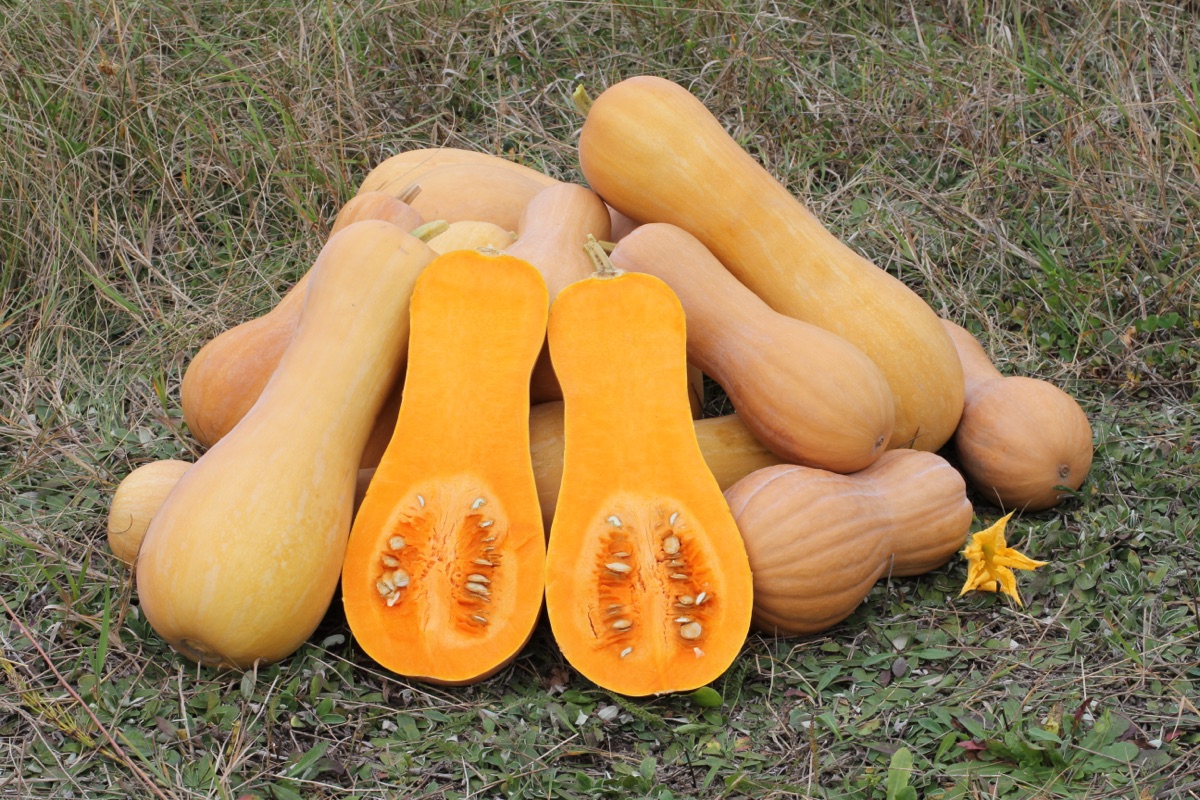
If you are a Pitta type with autumn Vata signs: move to warm, cooked, moist food. Keep the heat mild. Ghee, cooked grains, squash and gentle spices like cumin, coriander and fennel suit you better than a plate full of chili and sour pickle, which Pitta already gets too much of. Warm, not fiery.
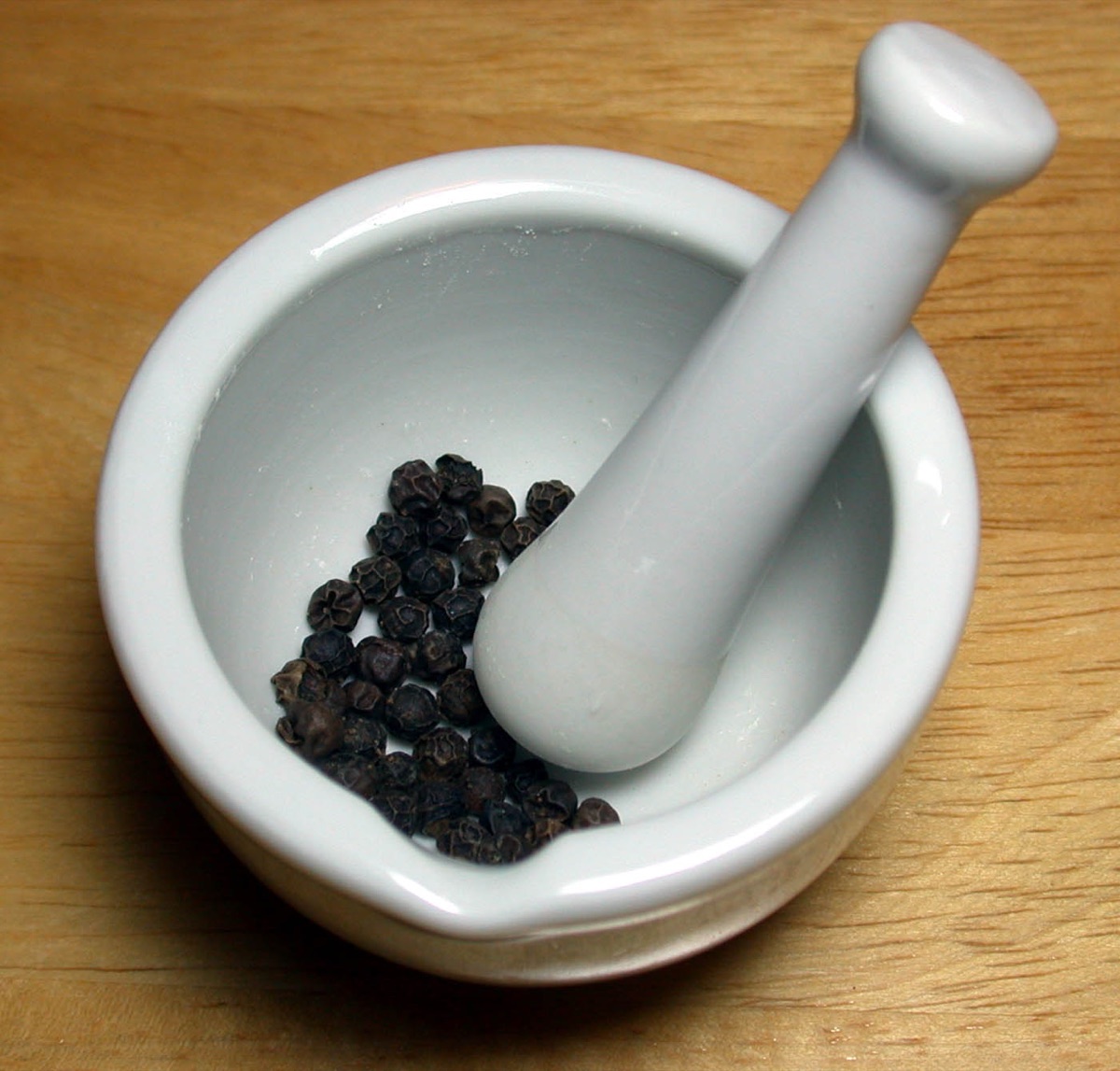
If you are a Kapha type: go warm and light. Brothy soups and cooked vegetables with ginger and black pepper, rather than heavy, oily, sweet stews every night. Keep moving, even when the weather argues for the sofa.
If you are a Vata type: this is your season to do the full grounding version. Regular meals, warm food with good fat, earlier nights, fewer inputs in the evening. The dosha balancing basics set out the Vata list.
A few changes suit everyone in autumn. Eat and wake at the same times each day, because in Ayurvedic terms a steady rhythm is the opposite of Vata's moving quality; the power of when explains the daily clock. Swap iced drinks for warm ones. Cover your neck and ears in the wind. Try a few minutes of warm oil self-massage before your shower.
And when the weather changes again, your state changes with it. You do not have to eat like it is November in April.
When the signs do not fit the season, check with your provider
The season is a reasonable first explanation for mild, familiar changes that arrive with the weather and ease with warmth and routine. It is not a reason to ignore your body.
Talk to your doctor or healthcare provider if what you notice is new for you, getting worse, or not easing. The same goes for unexplained weight changes, a change in bowel habits that stays, low mood that does not lift, or waking exhausted day after day. Plenty of causes produce a picture that looks like "more Vata", and some of them need a test, not a spice. Ayurveda works alongside that care, not instead of it.
Take the quiz, then read it against the season
If you have not taken the Dosha Quiz, take it with the filter above in mind. If you already have, do not retake it every time the weather turns. Keep your result. Add one line to it for this month: more Vata than usual.
That is the whole method. Your constitution tells you the direction you tend to lean. The season tells you what to adjust right now. Read both, and a dry, restless October stops looking like proof that you got your dosha wrong.