

If you still feel hot, short-tempered, flushed or ravenous in September, Ayurveda's explanation is simple: heat builds up in you through late summer, and it does not leave on the day autumn starts. In Ayurvedic terms, that is a Pitta imbalance at the end of summer. The answer is not to jump straight into a warming autumn routine. Keep cooling what is still hot for a few more weeks, gently and with cooked food, then switch to warming once autumn's dry, cold signs actually show up.
The calendar says autumn. Your body is still in August.
The mornings have turned crisp. The stores have moved on to pumpkin. And you are still kicking the covers off at night, snapping at people by 4 p.m., and hungry enough to eat the kitchen.
This is not you failing to adjust. It is the season doing exactly what Ayurveda says it does. Heat is slow to build and slow to leave. The weather can turn in a week. What summer stored in you takes longer.
So the question for September is not "what does autumn need?" It is "what is actually going on in me right now?"
Heat builds up, and it does not leave on a date
A lot of modern Ayurveda teaching, including our guide to seasonal Ayurveda, works with three seasons: summer builds Pitta, autumn builds Vata, late winter and spring build Kapha. It is a useful map. It also makes the handover sound cleaner than it is.
The classical texts divided the year into six seasons, and they are more specific about heat. A review of that seasonal regimen in the journal AYU summarises the teaching like this: Pitta is deposited during the rains, roughly mid-July to mid-September, becomes aggravated in Sharat, the early autumn from roughly mid-September to mid-November, and settles only in the late autumn that follows. In other words, the old texts put Pitta's flare-up right about now, not at the height of summer.
Two honest limits. That review describes what the classical texts say. It did not measure anyone's body. And its season dates were written for the climate of the Indian subcontinent, with a monsoon most of our readers do not have. Your September may be hotter or cooler.
But both maps agree on the part that matters. Heat accumulates first and spills later. Our post on late-summer rhythms describes this stretch as an overlap, when Pitta's fiery intensity meets Vata's light, mobile qualities.
The late-summer Pitta signs
You know the summer version. In September the same signs just show up out of context, which is why they are easy to miss. Look for:
- Skin. Flushing, redness, or skin that reacts more easily than it did in spring.
- Temper. A shorter fuse, impatience, a sense of pressure in the mind that has no obvious cause.
- Hunger. Sharp, urgent appetite, and real irritability when a meal runs late.
- Digestion. A stomach that feels sharper or sour, especially after spicy, fried or late meals.
- Sleep. Feeling warm in bed, a second wind late in the evening, a mind that keeps working after the lights go off.
- Eyes. Eyes that feel hot, dry or sensitive to bright light.
One or two of these on a warm week is just September. Several of them, sticking around while the weather cools, is what this post means by leftover Pitta.
Now the line that matters more than any tip here. Heartburn that keeps coming back, a rash that spreads or will not settle, hot flashes or night sweats, a fever, a racing heart, or mood changes that feel bigger than irritability are not leftover summer. They have their own causes. They are a reason to see your healthcare provider, not a reason to drink more coriander water.
Cool first, then warm: why the order matters
Ayurveda has a basic principle for this: like increases like, and opposites bring balance. It is why the order of your autumn changes matters.
Switch to autumn mode too early and you stack heat on heat. Chili-heavy stews, hot yoga, long hot baths and big evenings out all add fire to a system that is still carrying summer's.
Stay in summer mode too long and you get the opposite problem. Raw salads, cold smoothies and skipped meals suited the heat. As the mornings turn cold and dry, they start feeding Vata instead.
So treat what is present today, not what the calendar predicts. For most people in September that means a middle path: food that is cooling in its effect but warm on the plate. A cooked meal can still calm Pitta.
Food for the last warm weeks
Pitta settles with the sweet, bitter and astringent tastes, and flares with chili, sour and salty food, fried food, alcohol and a lot of caffeine. The Pitta guide covers the full list. For the handover, shift it toward cooked and simple:
- Grains: basmati rice and barley, cooked soft.
- Legumes: mung dal, lightly spiced.
- Vegetables: zucchini, leafy greens, broccoli and cauliflower, steamed or sautéed rather than raw. Our cooling foods list has more by dosha.
- Fruit: ripe sweet fruit like pears, eaten at room temperature.
- Herbs and spices: coriander, fennel, mint and cumin. Go easy on dried chili, and keep ginger and cinnamon for later.
- Drinks: the mint and coriander cooler, made with room-temperature water, not ice.
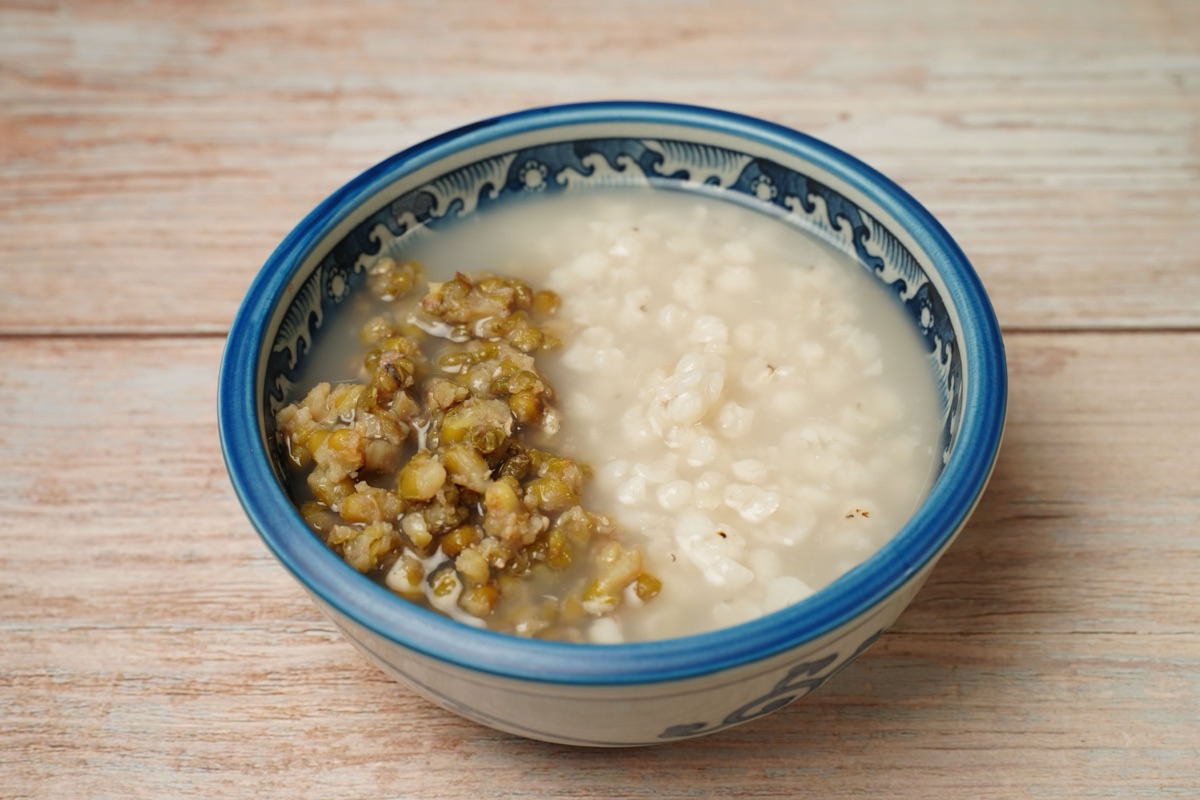
The classical early-autumn regimen in that same review points the same way: food that calms Pitta, food that is light to digest, eating only when you are actually hungry, and not overeating. That last one is worth taking seriously when Pitta hunger is loud. Eat on time, so the hunger never gets urgent, and stop before you are stuffed.
Routine changes: midday, screens, hot baths, hard workouts
Ayurveda gives Pitta the middle of the day, so that is where September's small changes pay off.
Midday. Do not schedule your hardest workout or your most heated meeting for the hottest part of the day. The same review lists too much sun exposure and daytime sleep among the things the classical texts say to avoid in early autumn. A proper lunch and a short walk in the shade beat powering through at your desk.
Evenings. Ayurveda's daily clock also hands the hours from 10 p.m. to 2 a.m. to Pitta, which is why our post on the rhythm of sleep argues for bed before 10, before the second wind kicks in. Screens off an hour before bed. Dim the lights. Leave the difficult email for the morning.
Heat on heat. Saunas, hot tubs, hot yoga and long hot baths are autumn and winter comforts. While the heat signs are still showing, keep water lukewarm and save them for when you actually feel cold.
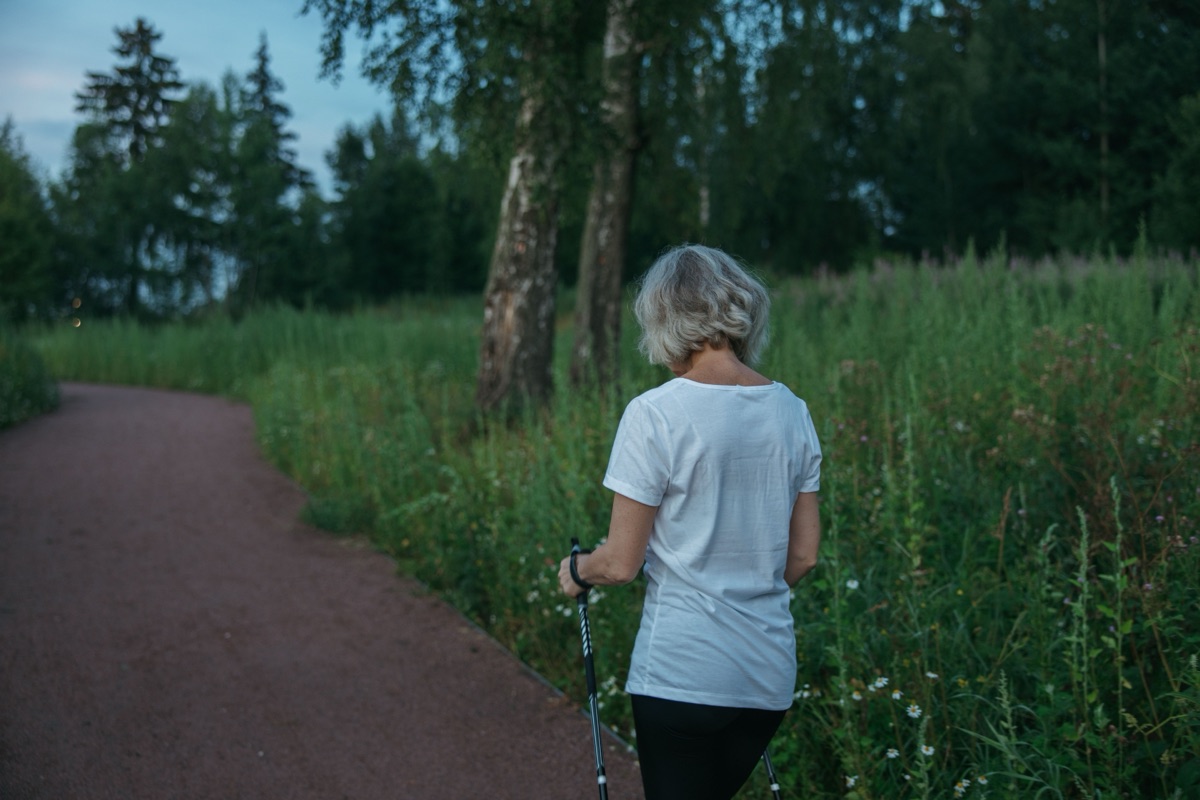
Workouts. Keep moving, just with less combustion. Walking, swimming and gentle yoga suit leftover Pitta better than all-out intervals. For the mental heat, the cooling breath and journaling practices from summer still work in September, and so do the pause-before-you-respond habits in this post on fiery emotions.
When to switch to warming
You do not pick the date. Your body does. The handover has happened when the heat signs have faded for a week or more and Vata's signs have started instead:
- Dry skin and lips, instead of flushed skin.
- Cold hands and feet, instead of kicking off the covers.
- Gas, bloating or an appetite that comes and goes, instead of sharp hunger.
- Light, restless sleep, instead of a hot, wired mind.
- Feeling scattered or anxious, instead of short-tempered.
That is when the warming changes earn their place: warm spices, soups, a little more oil and ghee, warm oil massage, a steadier daily routine. Make the switch over a week or two rather than overnight. Ayurveda calls the weeks between seasons ritusandhi, the junction, and our seasonal guide keeps its advice for those weeks simple: protect your routine and guard your sleep.
Where to start this week
Pick three things for the next seven days:
- Swap one raw or cold meal a day for a cooked one built on rice or mung dal, with coriander and fennel instead of chili.
- Move your hardest workout or your hardest conversation out of the middle of the day.
- No saunas, hot tubs or long hot baths until the heat signs are gone.
Then watch your temper, your hunger and your sleep. If the heat fades and dryness shows up, it is time to warm. If you are not sure whether you are running hot by nature or just by season, the dosha quiz will give you a read on your constitution. Your constitution is not your current state, though. In September, even a naturally cool, dry Vata type can still be running on August's heat.