
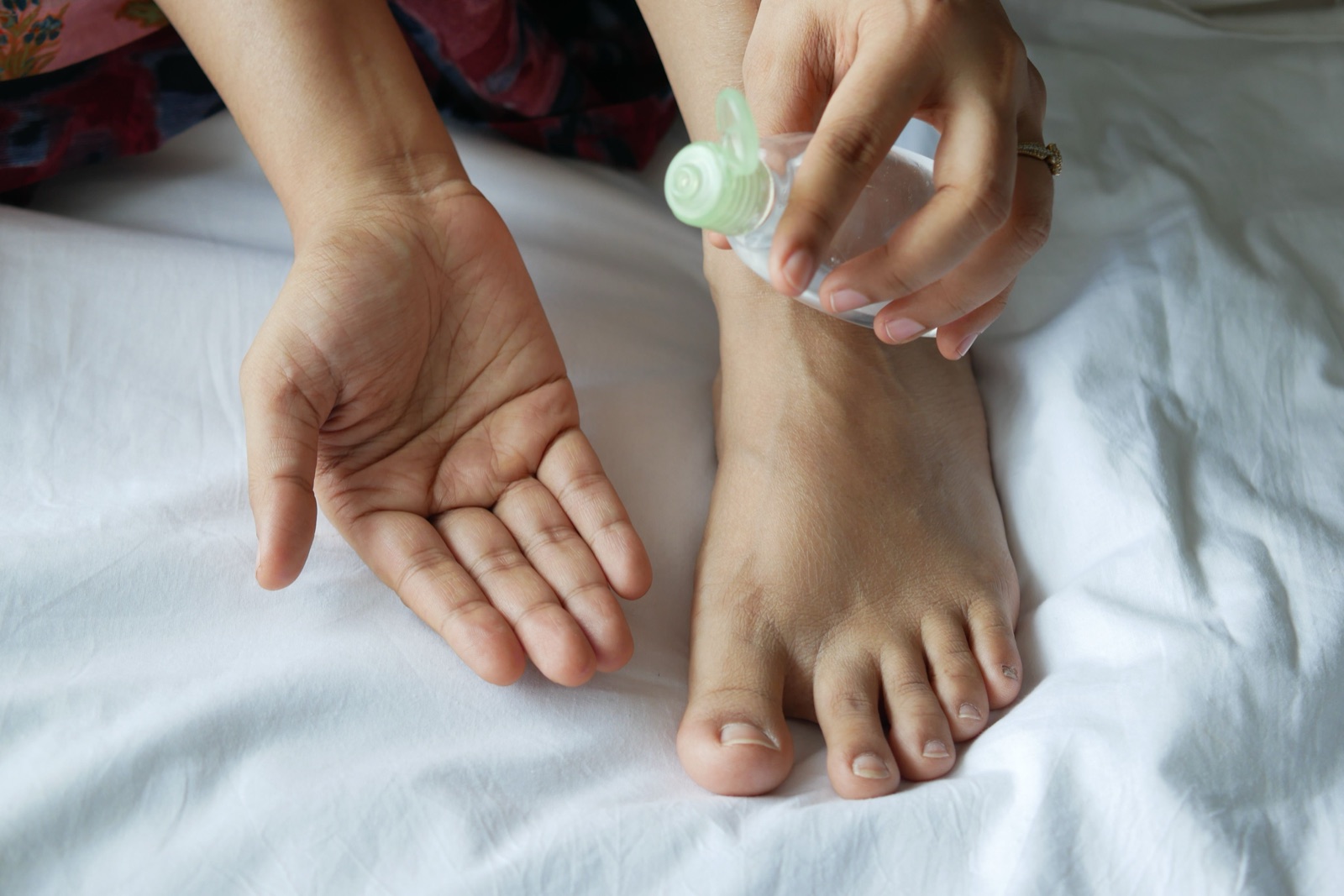
Abhyanga is Ayurveda's daily warm oil self-massage, and you can do it at home in ten to fifteen minutes. Warm a little oil (by tradition, sesame when you run cold and dry, coconut or sunflower when you run warm), stroke it into your skin from scalp to feet with long strokes on your arms and legs and circles over your joints, let it sit for a few minutes, then rinse off in a warm shower. Five minutes on your feet and scalp is a real version too.
The rest is detail: which oil, which order, when to skip it, and what the little research on it measured.
If you want to massage a baby, read the section on babies below first. Everything else here is about massaging yourself.
What abhyanga is, and why the tradition makes it daily
The word itself means anointing: rubbing the body with oil. You can do it yourself or have someone do it for you, and in Ayurveda it belongs to dinacharya, the daily routine, not to the spa menu. The Sanskrit word sneha means both oil and love.
The reasoning is the usual Ayurvedic one. Vata, the air element, is dry, light, cold and restless. Oil is the opposite: warm, heavy, smooth, slow. Ayurveda balances a quality with its opposite, so a body and mind that feel scattered get the steadiest thing in the kitchen rubbed into them every morning. That is the traditional logic. It is not a lab finding.
Choosing an oil by dosha and season
What follows is how Ayurveda pairs oils with constitutions. It is tradition, not a skin prescription. If you do not know your dosha, start with the dosha guide.
- Vata (dry skin, cold hands, a mind that races): plain sesame oil, warmed, used generously, with slow strokes. Use the pale untoasted kind, not the dark toasted oil you cook with. Almond oil is the other traditional choice, unless you have a nut allergy.
- Pitta (you run hot, flush easily, lose patience in the heat): coconut or sunflower oil, only just warm.
- Kapha (heavier build, oilier skin, slow to get going): less oil, a lighter one such as safflower, and quicker, firmer strokes. On some mornings, swap the oil for dry brushing.
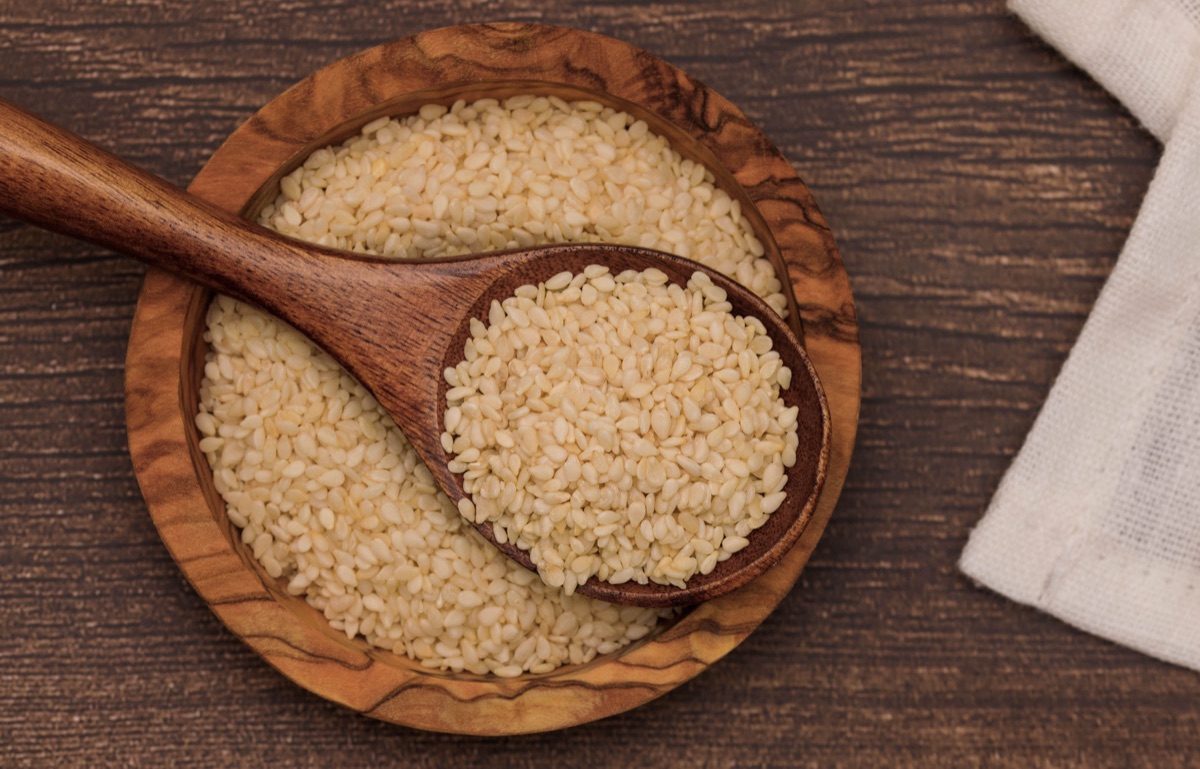
The season tilts the choice too, because Ayurveda changes with the seasons. Sesame through autumn and winter. Coconut in the heat of summer. Less oil and more dry brushing in the damp end of winter and early spring.
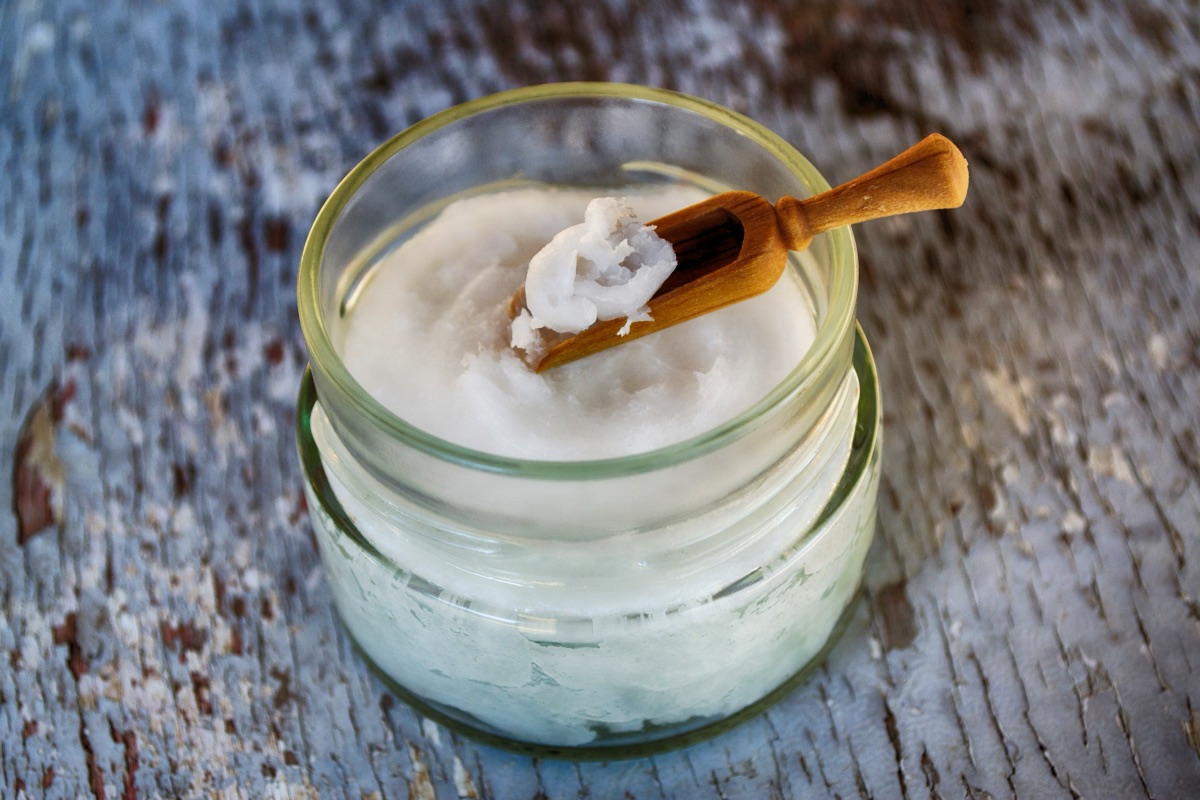
Two practical notes the tradition does not cover. First, olive oil is a poor pick for daily massage. In a 2013 study, adults who put olive oil on one forearm twice a day for four weeks ended up with a weaker outer skin layer and mild redness, while sunflower seed oil on the other arm left the skin layer intact and improved hydration. It was 19 volunteers across two small experiments, forearm skin only, but it is the reason olive oil is not on the list above. Second, oil is moisture, not protection. In a small two-week trial in 34 people with dry skin on their legs, virgin coconut oil moisturised about as well as mineral oil. A lab test of diluted plant oils, coconut included, put their sun protection factor in the single digits, and that was measured in an instrument, not on skin in sunlight. Put on a real sunscreen when you go out.
How to do abhyanga, step by step
- Warm the oil. Pour two or three tablespoons into a small squeeze bottle or cup and stand it in a mug of hot tap water while you undress. Put a drop on the inside of your wrist. It should feel pleasantly warm and nothing more.
- Get warm. Sit on an old towel in a warm room.
- Scalp, if it is a hair-wash day. A little oil on your fingertips, small firm circles from the hairline back. Skip it on days you will not wash your hair.
- Face and ears. Very little oil, light upward strokes, and keep it well away from your eyes. Rub the rims of your ears between finger and thumb.
- Arms and legs. Long strokes along the length of each limb. Circles over your shoulders, elbows, wrists, hips, knees and ankles.
- Chest and belly. Broad circles over your chest. On your belly, slow circles that go up your right side, across under your ribs and down your left, the direction the large intestine runs.
- Back. Reach what you can. Your lower back with both hands is plenty.
- Feet, last and longest. Thumbs along the soles, each toe, around the heels. The tradition gives the feet extra time, and the Ayurvedic wind-down uses a foot massage on its own at night.
- Wait. Sit for a few minutes in an old robe and let the oil soak in. Longer is fine.
- Rinse. A warm shower, soap only where you need it, then pat dry. Your skin should feel soft, not greasy.
Oil massage before a shower is the usual Ayurvedic order, which is why it sits in the middle of the Ayurvedic morning routine. If you would rather not rinse, a smaller amount smoothed onto damp skin straight after your shower is a fair compromise.
Mind the floor. Oiled feet make a tub or shower floor slick. Wipe your soles with a towel before you step in, use a non-slip mat, and hold the grab bar or wall. This matters more than any choice of oil.
Why autumn and winter are abhyanga season
In the Ayurvedic calendar, autumn and early winter are Vata's season: cold, dry, windy, changeable. The tradition expects drier skin, lighter sleep and a busier mind at this time of year, and reads all of it as Vata rising. Warm oil every day is one of the first things Ayurveda reaches for then, alongside warm cooked food, earlier nights and a steady routine.
For one more habit that asks nothing but a few minutes, try bare feet on real ground. Neither costs much.
What the research on abhyanga actually measured
Not much: two small studies, neither of them in older women. Beyond those, PubMed mostly holds case reports in which abhyanga was one of several treatments.
Stress, after one massage. In a 2011 pilot study from Germany, 20 healthy adults, average age about 37, each had one hour of abhyanga given by a practitioner. Straight afterwards they rated their stress lower and their heart rate was lower. Blood pressure fell only in the subgroup whose readings started slightly raised. There was no comparison group, nothing was measured beyond the session, and the paper itself opens by noting that providers of Ayurvedic massage make unsubstantiated claims.
Stiffness, after a month of self-massage. In a 2026 trial in India, 42 young male students with tight hamstrings either stretched daily or stretched and then gave each leg five minutes of sesame oil self-massage. After four weeks, the massage group gained more flexibility, measured less muscle stiffness and tolerated stretching better. Nobody was blinded, everyone was a healthy man between 18 and 25, and it came from one university. The bigger gains show up in how each group changed over the month; the scores the two groups finished with were not clearly different.
Put together: abhyanga looks pleasant, calming in the moment, and possibly useful for tight muscles. Whether a daily home practice does anything for a woman of 60 has not been tested in any trial we could find.
This page used to say more. It listed a benefit list with no source, and oils with medical promises attached: that coconut oil works as a sunscreen, plus claims about skin infections, eczema, dermatitis and bruising. We could not stand behind any of it, and the sunscreen line could get someone burned. It is gone.
Patch test first, and when to skip it
Patch test any new oil. Dab a little on the inside of your forearm and leave it for a day. Redness, itching or bumps mean that oil is not for you.
Allergies. If you have a food allergy to sesame or tree nuts, do not use those oils. Ask your allergist if you are unsure about coconut.
Essential oils. Leave them out of your massage oil, or keep them to a drop or two well diluted. A 2016 review in the journal Dermatitis counted nearly 80 essential oils that have caused contact allergy, and most reactions came from pure oils or strong products. Keep peppermint and other strong-smelling oils away from your eyes.
Herbal massage oils are not automatically gentle. An Ayurvedic hospital in Gujarat reported a painful skin reaction with boils in a 72-year-old man after a herbal oil knee massage followed by sudation, a sweating treatment. One case, and the report could not separate the oil from the sweating, but it is a reason to patch test herbal oils too.
Skip it, and check with your provider, if:
- you have a fever or feel acutely unwell
- the skin is broken, burned, sunburned, weeping or has a rash you have not had looked at
- you have had surgery recently, until your surgeon says the area is fine to massage
- one leg is suddenly swollen, painful, red or warm (see a doctor promptly, do not rub it)
- you are pregnant and have not yet asked your midwife or doctor about massage and oils
Oil massage is care, not treatment. A skin problem that lingers, spreads or hurts belongs with your doctor.
Massaging babies: a question for your pediatric provider
Oil massage for babies is a family tradition in many cultures, ours included. Before you start, talk to your pediatrician or midwife, especially about a newborn, a baby born early, or a baby with skin problems or allergies in the family. Two findings are worth taking into that conversation.
A 2013 Cochrane review of infant massage trials in healthy babies under six months found the available evidence poor quality, and its authors concluded it did not currently support infant massage for low-risk parents and babies. That is not a finding of harm. It means the benefits people describe, sleep included, rest on weak studies so far. And the authors of the olive oil study above advised against olive oil for infant massage, reasoning from what it did to adult skin.
The practical rules the old page had still stand: warm the oil only slightly and test it first, keep it away from the eyes, and be gentle around the soft spots on the head. Keep essential oils off babies unless their provider says otherwise.
A five-minute version
No time for the full routine? Do this at night instead, in your chair.
- A teaspoon of warm oil on your fingertips. One minute of small circles on your scalp, or on your temples and behind your ears if you do not want oily hair.
- Two minutes on your feet. Soles, heels, between the toes.
- One minute on your hands. Palms, each finger, the webbing by your thumb.
- One minute on your belly, in the same up-the-right, down-the-left circles.
- Cotton socks on, so the oil stays on your feet and off the floor.

Save the full version for a slower morning. For the clinic cousin of this practice, a practitioner pouring warm oil onto your forehead, see shirodhara.