
Triphala is a classical Ayurvedic blend of three dried fruits: amalaki (amla), haritaki and bibhitaki. Ayurveda uses it as a gentle bowel formula and as a rasayana, a long-term rejuvenating tonic, and classical texts make big promises for it. Modern human evidence is much smaller. Rinses made from it have been compared well with a standard mouthwash. Most other claims rest on cell and animal work, and a three-month trial of a triphala combination found no cholesterol benefit over placebo.
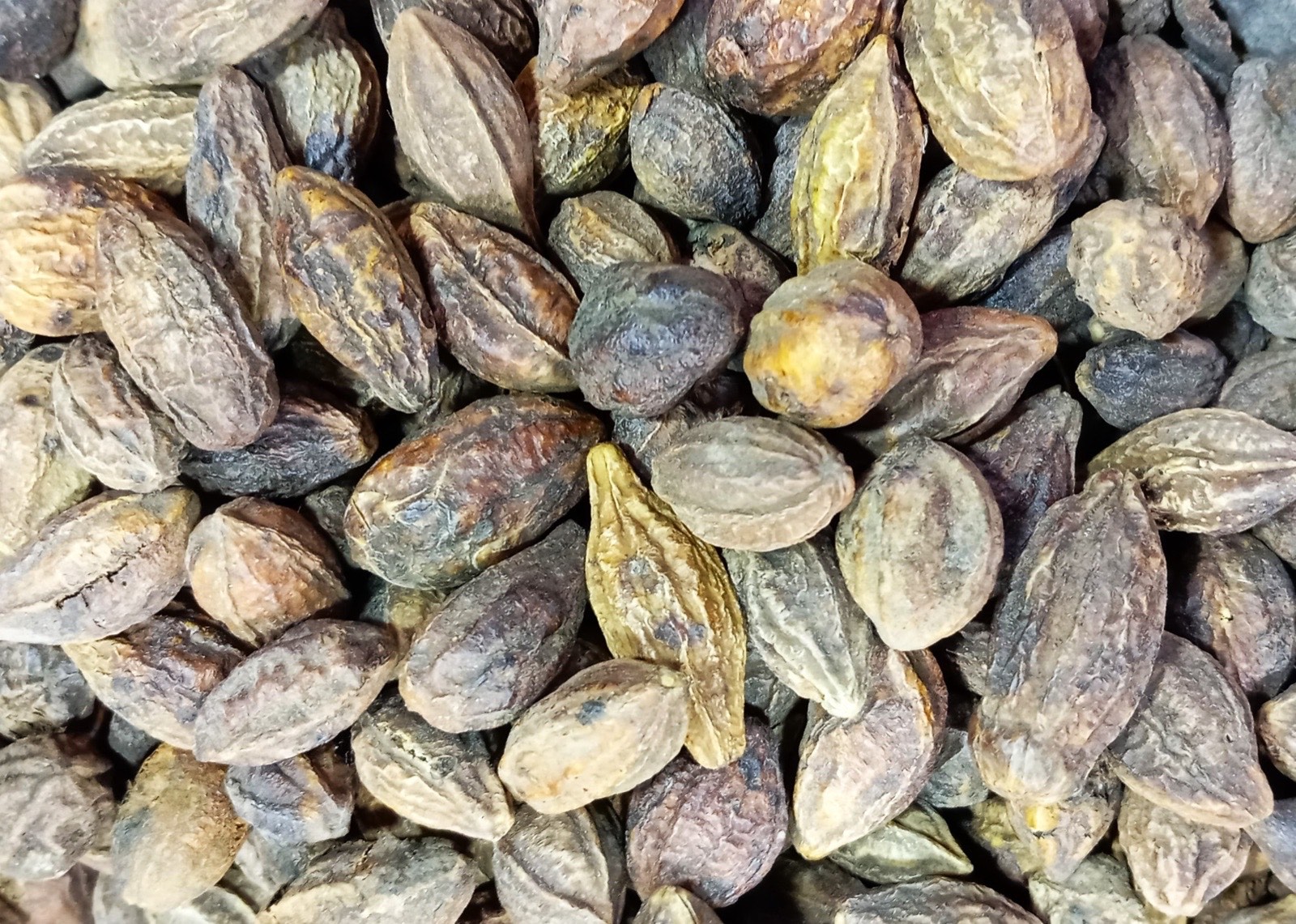
Photo: Salil Kumar Mukherjee / Wikimedia Commons (CC BY-SA 4.0) · CC BY-SA 4.0. Resized for this article. recompressed in place to JPEG quality 66 after fetch to meet the 600KB hero cap; dimensions unchanged. Photo derivative retains the same ShareAlike licence.
_fruits_01.jpg)
This page is education, not medical advice. If you take regular medication, are pregnant or breastfeeding, or have an ongoing digestive condition, read the safety section first.
The three fruits
The name means three fruits, and that is all it is. Each comes from a tree, each is dried and powdered, and the powders are blended, traditionally in equal parts.
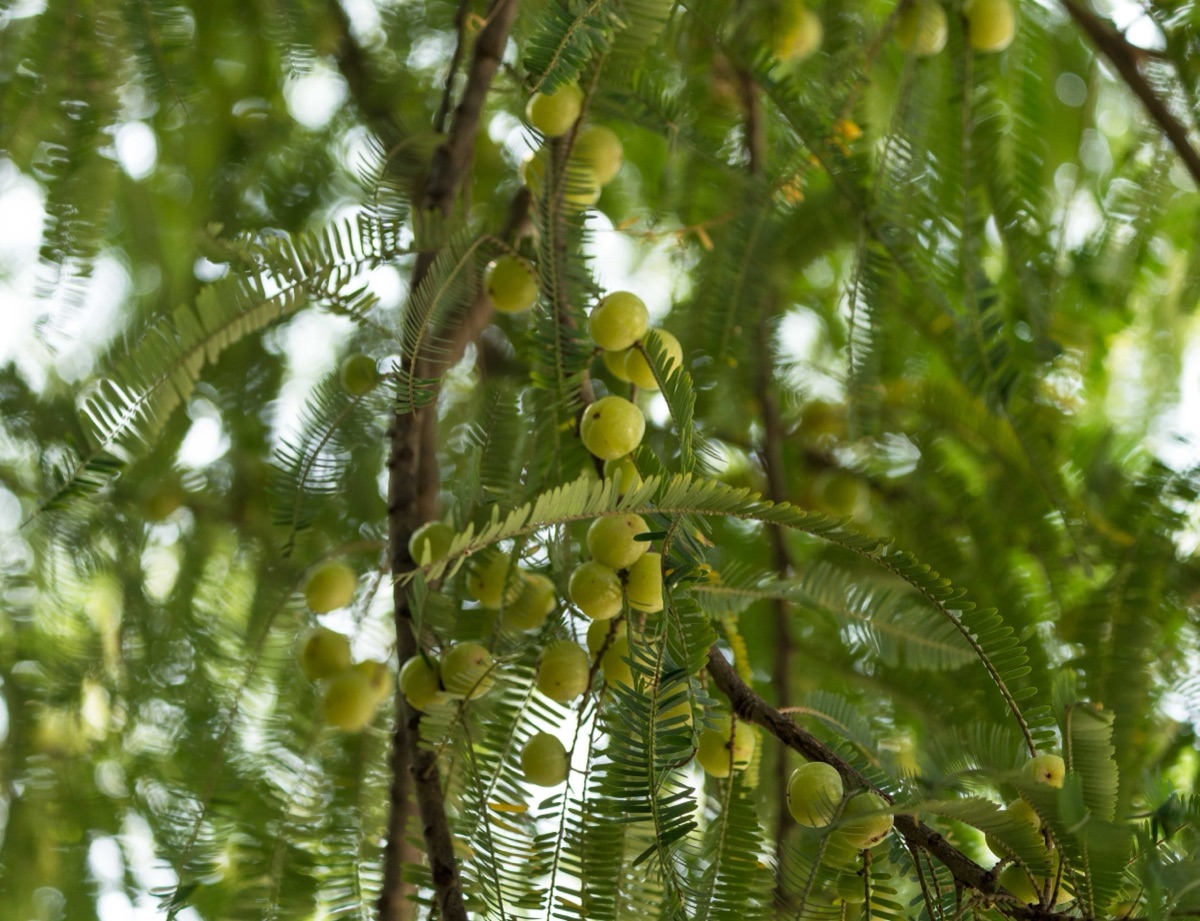
- Amalaki (Phyllanthus emblica), the Indian gooseberry, sharply sour when fresh.
- Haritaki (Terminalia chebula), a ridged, dark fruit that dries hard as a nut.
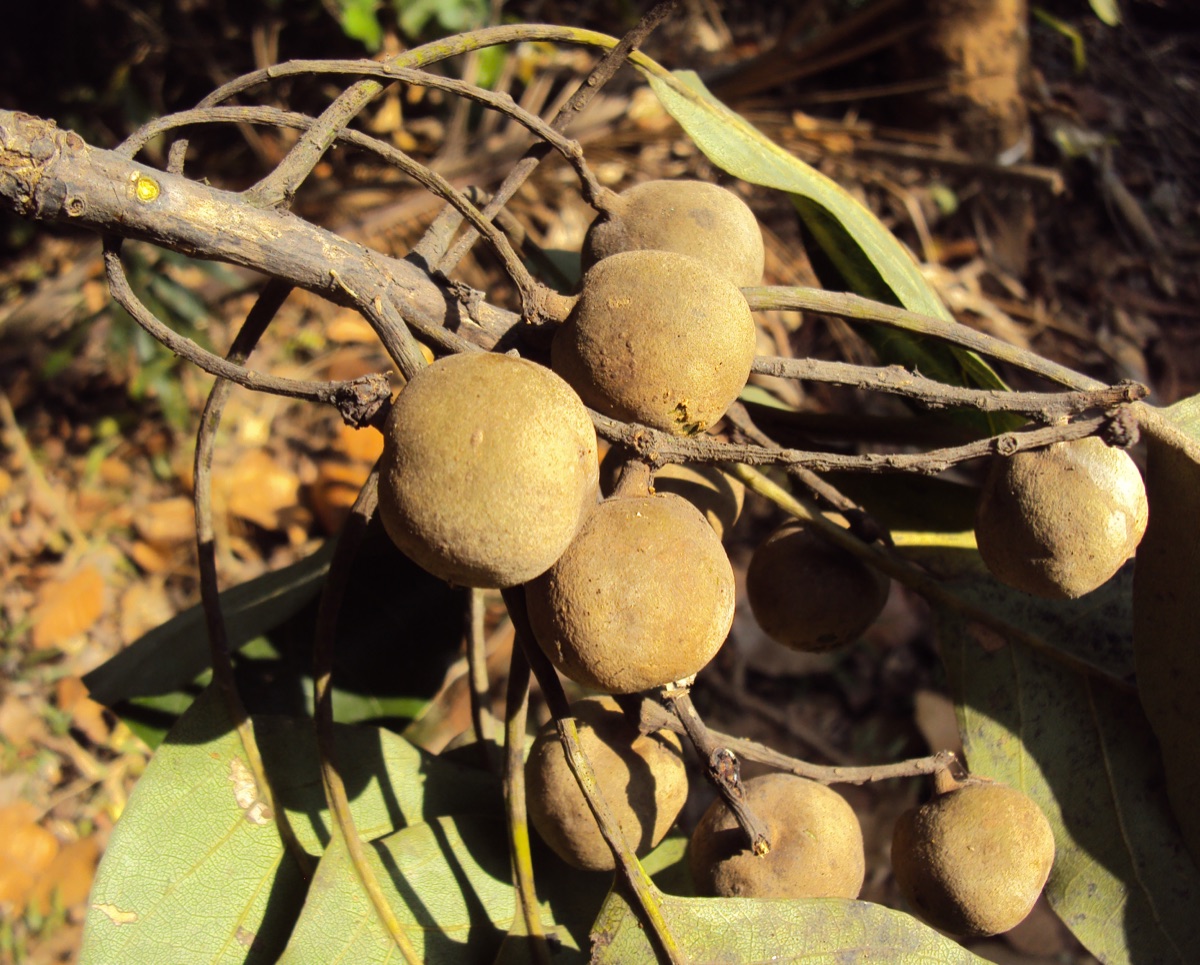
- Bibhitaki (Terminalia bellirica), a round, velvety fruit from a tall forest tree.
The taste is the first lesson. Triphala is astringent and sour, with bitterness underneath. Nobody takes it for pleasure, which is part of why it is usually mixed into warm water and drunk quickly.
How Ayurveda uses it
Triphala has two jobs in the tradition, and it helps to keep them apart.
The first is the bowel. Ayurveda reads regular, easy elimination as a sign that agni, the digestive fire, is working and that undigested residue, ama, is not building up. Triphala is the formula practitioners reach for to keep that rhythm steady. The Ayurvedic guide to gut health explains how agni and ama fit together, and why the tradition treats elimination as information, not a nuisance.
The second is rasayana, rejuvenation. The Charaka Samhita's chapter on rejuvenation gives several triphala rasayana recipes, one with honey and ghee, and says that whoever follows one of them for a year lives a hundred years free of ageing and illness. That is the tradition's own language, and it is worth reading as such: a statement of how highly the formula was valued, not a measured result.

Because triphala is described as balancing all three doshas, it gets recommended to everyone. That is where the older version of this page went wrong. A formula can suit many people and still not suit you. Your digestion, your constitution and the season all change what a practitioner would suggest, which is the logic behind the guide to eating for your dosha, and the dosha quiz if you want a starting point.
What human studies actually measured
Search for triphala research and you will find a long list of effects. Read the methods and the list shrinks. Much of it is test tubes and rodents. Here is what has been tested in people, with the limits attached.
Mouth rinses. This is the best-studied use. A 2020 review pooled seven randomized trials comparing a triphala mouthwash with chlorhexidine, a standard antiseptic rinse, in people with plaque-related gum inflammation. The authors concluded triphala performed about as well on gum and plaque scores. The trials differed a lot from one another, which weakens how far the pooled result can be pushed.
Cholesterol. In a randomized, double-blind trial, 90 adults with raised cholesterol took a Guggulu and Triphala combination or a placebo three times a day for three months. The combination did no better than placebo on total or LDL cholesterol, body mass index or waist size. Two people taking it developed a rash.
Constipation. One open-label study of 34 people with functional constipation reported more frequent, easier bowel movements over 14 days. But the product also contained psyllium husk and senna, both established laxatives, and there was no comparison group. It cannot tell you what triphala alone does.
So the honest summary is short. The tradition uses triphala for the bowel and as a tonic. A rinse has reasonable support for gum and plaque scores. The bigger claims made for it, including on blood sugar, blood pressure and weight, are not established in people.
Safety, quality and who should ask first
Herbal does not mean free of risk. In the cholesterol trial above, two of 46 people taking the combination developed a hypersensitivity rash.
Quality matters too. When researchers bought 193 Ayurvedic medicines online and tested them, about one in five contained detectable lead, mercury or arsenic. That study tested many products, not triphala specifically, but it is the reason to buy from a supplier that publishes independent heavy-metal testing.
Then the questions for your doctor or pharmacist, not for us. Ask before starting triphala if you are pregnant or breastfeeding, if you take medicines for blood sugar, blood pressure or blood thinning, or if you have a bowel condition. Loose stools or cramping are a reason to stop. A change in bowel habit that lasts, blood in the stool or unexplained weight loss needs a clinician, not a herbal formula.
How it is traditionally taken
The common household way is simple. Stir a small amount of powder into warm water and drink it, usually in the evening, away from meals. Practitioners typically start low and adjust, and capsules exist for people who cannot face the taste. There is no single correct dose for everyone, which is exactly why the label on your product and the person who knows your health should set it, not a blog.
If your digestion runs irregular when the weather turns, start with food and rhythm first. The piece on why digestion gets irregular in autumn is the place to begin.