

Prajnaparadha is Ayurveda's name for the "mistake of the intellect": the moment you know what your body needs and do the opposite. It is not ignorance. You know you should go to bed. You stay up anyway. Ayurveda counts that gap between knowing and doing as one of the root causes of imbalance. The practical way to close it is rhythm and small, repeated returns, not more willpower.
You do not need more information. You already know.
You know a proper lunch matters more than a handful of almonds eaten standing at the counter at 3 p.m. You know the phone should sleep in another room. You know that "yes, of course I can" to one more request will cost you an evening you needed.
You have read the articles. You may have read ours. And still, most nights, the knowing loses.
That is not a knowledge problem, and another article will not fix it. Ayurveda gave this exact pattern its own name. If nothing else, that tells you it is not a personal defect. It is a human one.
What prajnaparadha means, in plain words
The word joins two Sanskrit roots. Prajna means wisdom or understanding. Aparadha means an offense or a transgression. Put together: an offense against your own wisdom. You are not missing the knowledge. You are acting against it.
We have defined it in passing before, in what Ayurveda teaches about stress and in our comparison of the Ayurvedic and Western approaches. One paragraph each time. This page is about what to do with it.
Ayurveda traditionally names three root causes of imbalance. One is the misuse of the senses: too much input, too little, or the wrong kind. One is time: the seasons and the hours of the day. The third is prajnaparadha. It is the one of the three that sits most squarely in your own hands, and some Ayurvedic scholars go further and treat it as the root of the other two.
A classical verse defines it through three faculties. When they slip and you act against your own good, that is prajnaparadha. Each one is a different place the chain can snap:
- Dhi, understanding. Seeing clearly what is good for you.
- Dhriti, steadiness or restraint. Holding to it when something more tempting shows up.
- Smriti, memory. Remembering what happened last time.
Most of us are fine on the first. It is the second and third that give way. You know the late glass of wine tends to wake you in the small hours. At nine at night you either do not remember that, or you remember it and decide tonight will be different.
How it shows up: ignoring the body, overriding rhythm, saying yes when you mean no
Prajnaparadha is rarely dramatic. It looks like this.
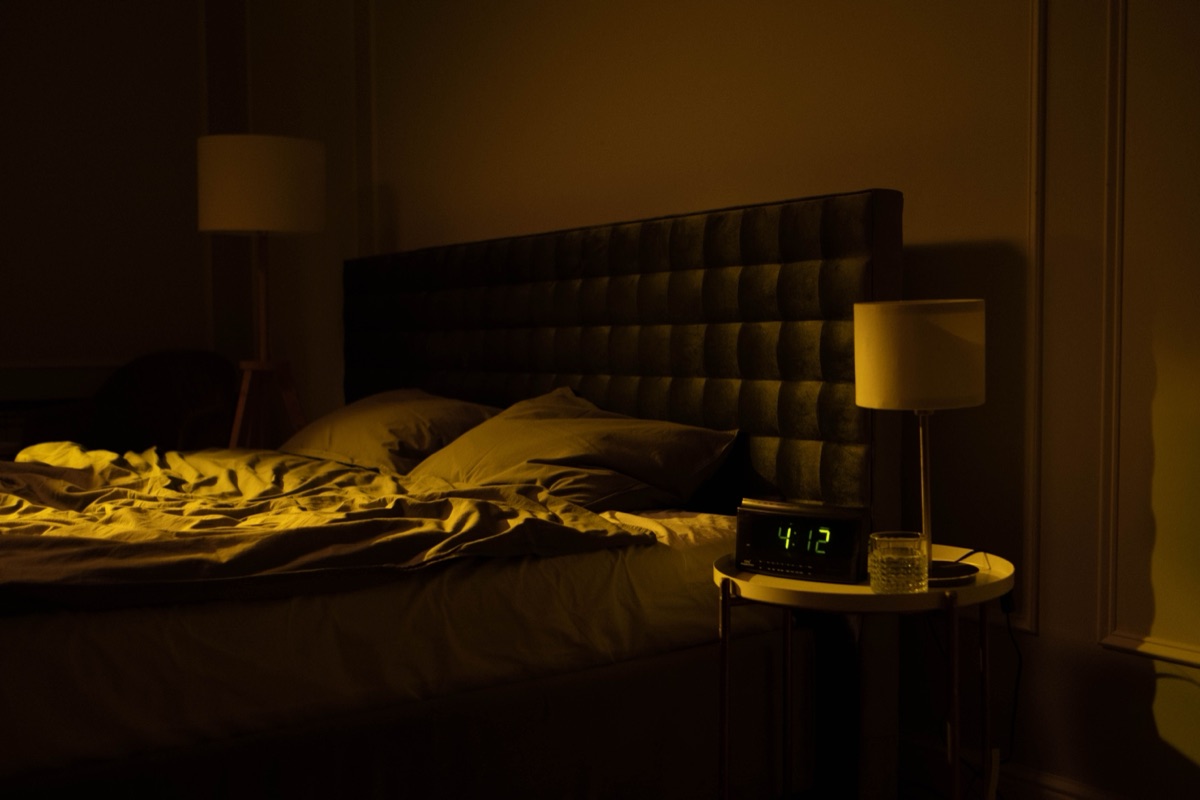
Ignoring the body. Hunger arrives at noon and you answer it at half past two with whatever is in the car. Tiredness arrives at ten and you answer it with another episode. The signal was clear. You overrode it.
Overriding rhythm. Ayurveda reads the day as a cycle: a steady morning, the strongest digestion around midday, a slowing evening. Eating your biggest meal late, or starting the hardest job of the day after dinner, works against that cycle. You usually know it while you are doing it.
Saying yes when you mean no. This one is familiar to anyone who looks after everyone else. The extra afternoon with the grandchildren. The committee. The friend who calls during dinner every night. Energetic Boundaries describes it as agreeing before checking your energy reserves. The body said no. The mouth said yes.
Each of these is small. Ayurveda's point is that they add up. In Ayurvedic terms, repeated often enough, they drain ojas, the vitality reserve at the center of our guide to energy and burnout.
Why willpower is the wrong tool
The usual response to knowing better and doing it anyway is to try harder. Make a stricter rule. Grit your teeth through the evening. Feel bad when it fails. Try harder again.
Look at when prajnaparadha tends to happen. Late in the day. When you are tired, hungry, rushed or already stretched thin. A plan that needs your best judgment at your most frazzled hour is a fragile plan.
The psychology of self-control points somewhere similar. Psychologists Brian Galla and Angela Duckworth looked at this across six studies. In the first, a survey of 500 American adults, people who scored higher on self-control reported less effortful resisting around exercise, healthy snacks and sleep, not more, and their stronger habits helped explain the difference. The other five, with college students, high school seniors and teenagers back from a meditation retreat, found the same pattern for study, homework and meditation habits. The limits matter: the habits were self-reported, most of the people studied were young, and none of the studies was an experiment, so they show a link rather than proof that habits cause the good outcomes.
Ayurveda's emphasis on daily routine points the same way. Do not count on winning the argument with yourself at nine at night. Arrange your life so the argument comes up less often.
The Ayurvedic answer: small repeated returns, not a big reset
The wellness world loves a reset. A cleanse. A fresh start on Monday. A retreat. The trouble with a reset is that it quietly assumes you will not slip, so the first slip feels like the whole thing has failed.
Ayurvedic living, as we teach it, assumes you will slip. Its answer is to return. You went to bed at midnight on Tuesday. On Wednesday you go back to your usual time. No penalty, no making up for it, no starting over. The return is the practice.
This is where dinacharya, the daily routine, earns its place. Not because a perfect routine is possible. Because a routine gives you somewhere to come back to. Without one, every evening is a fresh negotiation.
Keep the returns small. One thing, not ten. A warm lunch, eaten sitting down. Lights low an hour before bed. Pick the single place where you most often know better and do otherwise, and work only on that until it stops being a fight.
Catching it in the moment: a one-question check
Prajnaparadha lives in a gap of a second or two between the signal and the override. You feel the tiredness, then your thumb opens the app. You feel the no, then you hear yourself say yes.
You cannot close that gap. You can widen it. When you notice you are about to do something you have done before and regretted, stop and ask one question:
"What do I already know about this?"
Not "what should I do," which invites a lecture. Not "why do I always do this," which invites blame. Just: what do I already know. Take one slow breath while the answer comes. It usually comes fast.
Sometimes you will still choose the late show or the extra commitment. That is allowed. The difference is that you chose it awake instead of on autopilot. That is smriti, memory, doing its job, and it is how the next choice gets easier.
Building rhythm so there are fewer choices to get wrong
Every decision you do not have to make is one you cannot make badly. That is the quiet logic of a rhythm.
- Decide the evening in the morning. Settle your bedtime and what dinner will be while you are fresh. At night you are following a plan, not debating one.
- Change the setting, not your resolve. The phone charges in the kitchen. The cookies live on the top shelf. The tea things sit by the kettle, so the calming option is also the easy one.
- Tie new habits to old ones. Three slow breaths every time the kettle boils. Warm oil on your feet right after you brush your teeth at night. The old habit carries the new one.
- Keep a standard answer for requests. "Let me check my week and get back to you" buys the pause that dhriti needs. You can still say yes tomorrow.
For evenings in particular, our winding-down rituals give you a ready-made sequence, so there is less to decide when you are tired.
Kindness, not blame
Here is the part most advice skips. Beating yourself up about last night is its own small act of prajnaparadha. You know harshness does not work. You have tried it for years. You do it anyway.
As the art of self-care in Ayurveda puts it, self-care is not a performance you succeed or fail at. It is a relationship. Harshness is agitation, and Ayurveda has a name for the restless, agitated quality of mind: rajas. An agitated mind is exactly the one that overrides the body. Kindness is not letting yourself off the hook. It is the condition in which the knowing has a chance to win.
One note of care. If there is something you keep doing that feels truly out of your control, whether that is drinking, eating, not sleeping, or a low mood that will not lift, that is not a willpower question and not something a daily routine should carry on its own. Talk to your doctor or a qualified counselor. Ayurveda works alongside medical care, not instead of it.
For everything else: you already know. Pick one place where the knowing keeps losing. Ask the question. Return tomorrow. The Ayurvedic guide to stress and calm has the wider picture, from how each dosha reacts under pressure to the breath practices that settle the mind.