
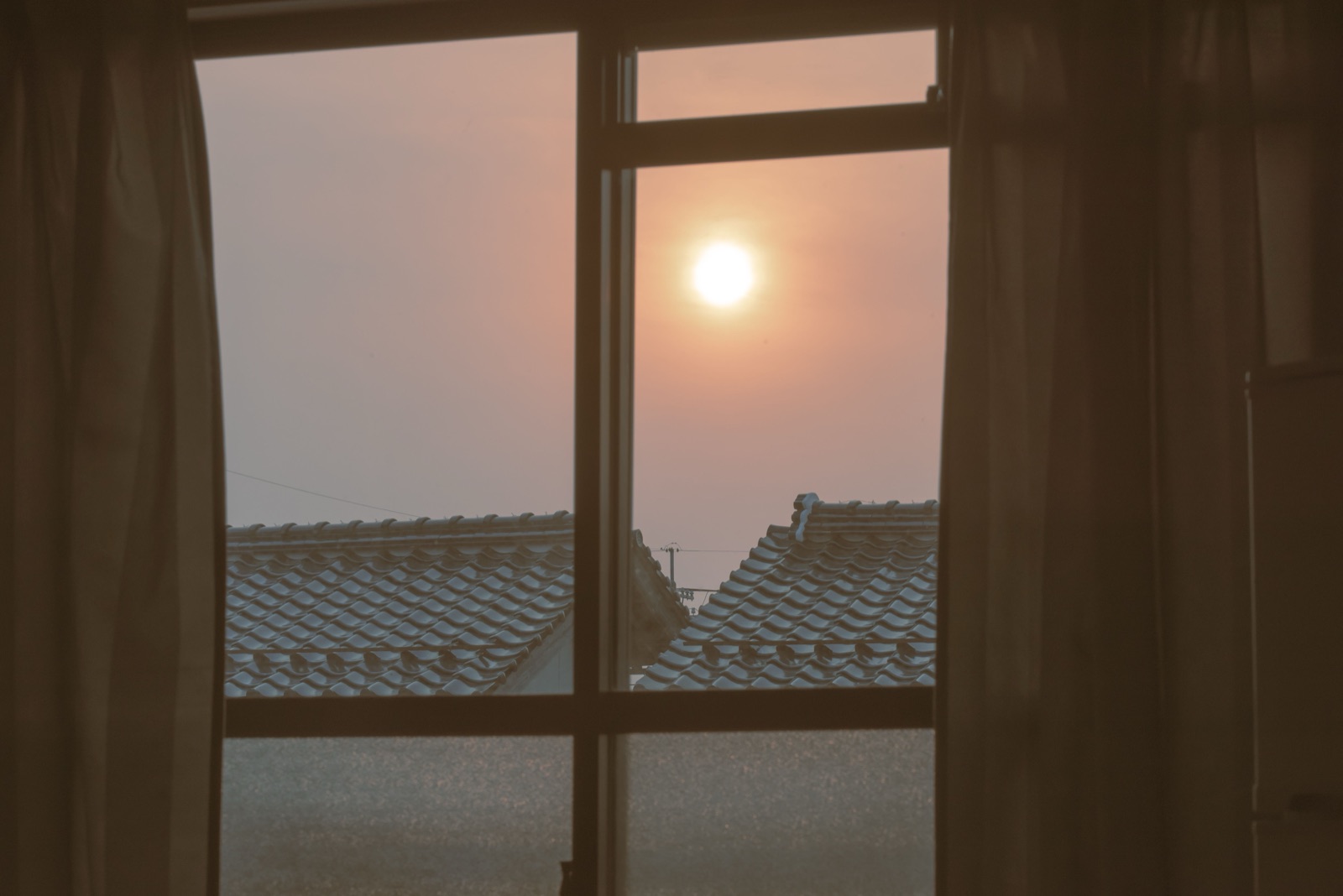
An Ayurvedic daily routine, called dinacharya, is a short set of habits you repeat at the same times every day. Get up around sunrise. Scrape your tongue and drink a glass of warm water. Give yourself a few minutes of warm oil massage and slow breathing. Eat your main meal at midday. Eat a lighter dinner earlier, and let the house get dim as it gets dark. You do not need all of it. Pick one or two pieces, do them at the same time each day, and add more once they stick.
Healing is something you live, not something you do once
Most wellness advice sells you an event. A cleanse. A retreat. A supplement you start on Monday.
Ayurveda sells you nothing of the kind. It asks what you do at seven in the morning, at one in the afternoon and at nine at night, and whether you do it the same way tomorrow.
That is less exciting. It is also the part you can actually do on a Tuesday, when you are tired, the kitchen is a mess and nobody is watching. The routine is not a reward for having your life together. It is how you get there.
What dinacharya means
Dinacharya is Sanskrit for daily routine: dina, day, and charya, conduct or practice. (Not acharya, which means a teacher.) In the tradition it is a set of habits timed to the sun. You wake with the light, eat your largest meal when the sun is highest, and slow down as it sets.
The logic underneath is rhythm. Ayurveda holds that the body does best when it can predict what comes next: when food arrives, when rest arrives, when the day starts. In the tradition, irregular routines unsettle digestion and aggravate Vata, the dosha of movement. So the routine matters less for any single step than for the fact that it repeats.
If you want the full morning sequence in more depth, the Ayurvedic morning routine guide walks through each step. This page covers the whole day, and what the research does and does not say about it.
What research has and has not looked at
An earlier version of this page said science was "beginning to catch up" and listed four findings as settled. We went back to the studies. Here is what each claim holds up to, and where we cut it.
Sunlight and your body clock: the direction holds, the wording did not. The old claim said morning sun improves melatonin levels. The study we checked reported timing, not levels. In a 2013 study in Current Biology, eight adults spent a summer week camping in Colorado with only natural light, and afterwards the timing of their melatonin rhythm had moved earlier, lining up with sunrise and sunset. Eight people, six of them men, average age about 30, one week in July. It was not a test of morning light on its own: the campers got far more daylight all day and no electric light after dark. And camping changed more than the light: the researchers note that social behaviour and physical activity changed too and may have contributed to the earlier sleep timing. It supports the old Ayurvedic instruction to live closer to the sun. It does not show a morning walk raises anything.
Oil massage and cortisol: we cut it. A 2011 meta-analysis of massage therapy studies found its effects on cortisol were very small and, in most cases, not statistically distinguishable from zero. That review covered massage therapy in general, not Abhyanga. The only trial of Abhyanga and stress we found is a 2011 pilot study: 20 healthy adults had a one-hour Abhyanga massage and reported less stress straight afterwards, with a lower heart rate. It had no comparison group, measured only immediately before and after a single session, and the participants received an hour-long treatment, not five minutes of self-massage at home. Pleasant and promising. Not proof. The old claim that it "stimulates the lymphatic system" we could not find a study for, so it is gone.
Tongue scraping and oil pulling: good for the mouth, not a detox. A 2010 systematic review of five studies in healthy adults found that cleaning the tongue with a scraper or brush, on top of toothbrushing, had a positive effect on breath odour and tongue coating. The same review said the data on long-term bad breath were insufficient, and a 2019 Cochrane review, which found just two small trials of tongue cleaning with 46 people between them, rated the evidence that it helps bad breath as very uncertain. For oil pulling, a 2024 meta-analysis of 25 trials lasting 7 to 45 days found a probable benefit for gum health compared with non-chlorhexidine mouthwashes, while chlorhexidine did better on plaque, and the authors rated the overall evidence as very low certainty. None of these reviews measured anything beyond the mouth. The word "detox" is gone.
Breath and stillness: calmer, yes; inflammation, not yet. A 2023 meta-analysis of 12 randomised trials with 785 adults found breathwork was linked with lower self-reported stress than control conditions, a small-to-medium effect, with most studies at moderate risk of bias; the authors themselves warned against hype. On inflammation, a 2016 systematic review of randomised trials of mindfulness meditation found possible effects on some markers of inflammation, but called the results tentative and in need of replication. The old line about focus had nothing behind it that we checked, so it is out.
The honest summary: the routine does not need these studies to be worth doing. Its case is rhythm, and a few small, real signals point the same way.
Morning: the fifteen-minute version
You do not need an hour. You need the same fifteen minutes, in the same order, before the phone.
- Wake at a steady time. Close to sunrise if your life allows, the same time on weekends if it does not. The regularity matters more than the hour.
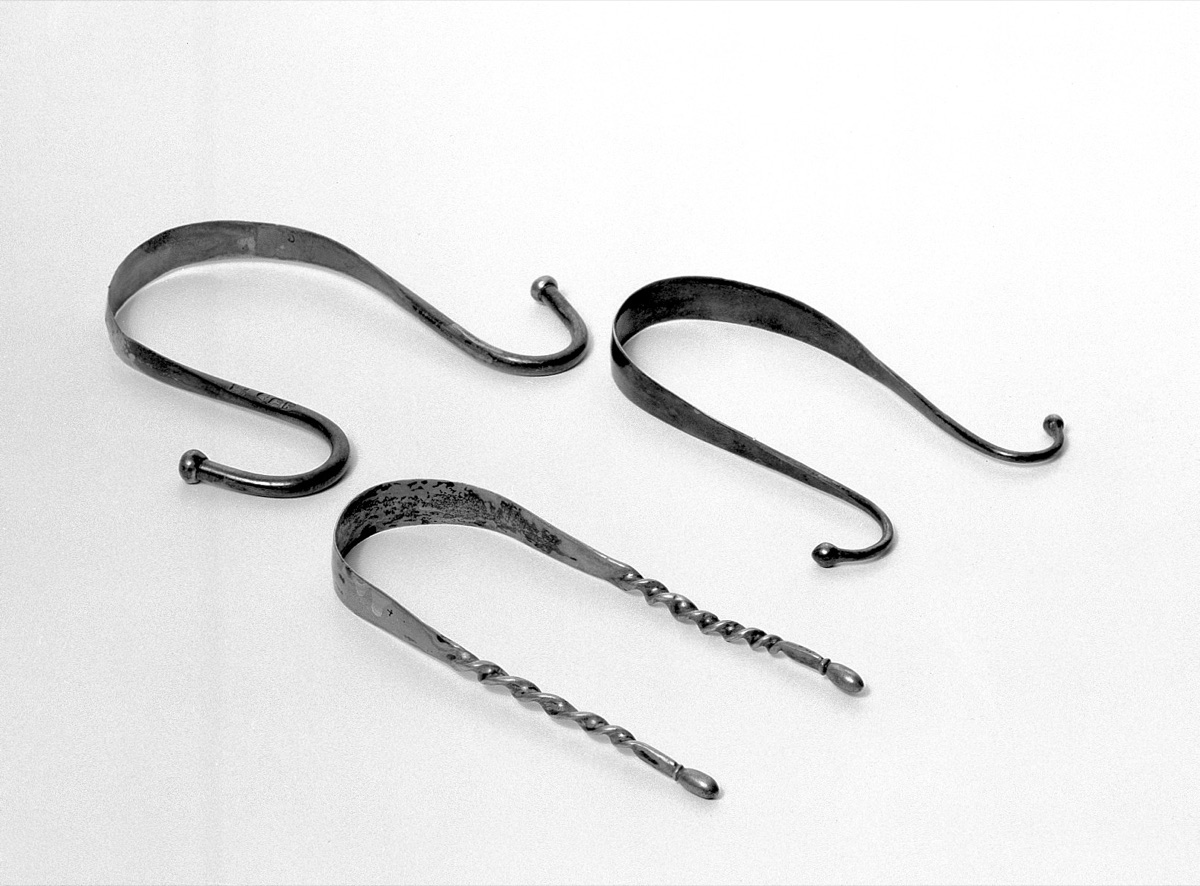
- Scrape your tongue. One minute. A copper or stainless steel scraper, set toward the back of the tongue and drawn forward, a few strokes, rinse. Ayurveda reads a thick coating as a sign that digestion is running slow.
- Oil pulling, if you like it. A spoonful of sesame or coconut oil swished for a few minutes, then spat into the bin, not the sink, and never swallowed. It sits alongside brushing and flossing. It never replaces them or your dentist.
- A glass of warm water. Ayurveda treats warm water as a gentle start for digestion, and then gives the bowels time. A squeeze of lemon is optional.
- Five minutes of oil. Warm sesame oil massaged into your arms, legs and belly before the shower, or just your feet and scalp on a rushed day. In hot weather, coconut oil. See how to do Abhyanga at home. Skip it when you have a fever.
- Three minutes of breath, three of stillness. Slow breathing through the nose, then sit. No app required.
Breakfast stays light and warm: stewed apple, a spiced porridge, a cup of ginger tea. Amish's own morning rituals start even smaller: cupped hands, an affirmation, then warm water.
Midday: the main meal and a pause
This is the part the old version of this page left out, and the one busy people skip first.
Ayurveda teaches that digestion is strongest when the sun is at its peak, roughly late morning to early afternoon, which is why it makes lunch the largest meal of the day. A sandwich at the desk is the opposite of that. If a full hot lunch is impossible, aim for warm and sitting down, and move some of the weight away from dinner.
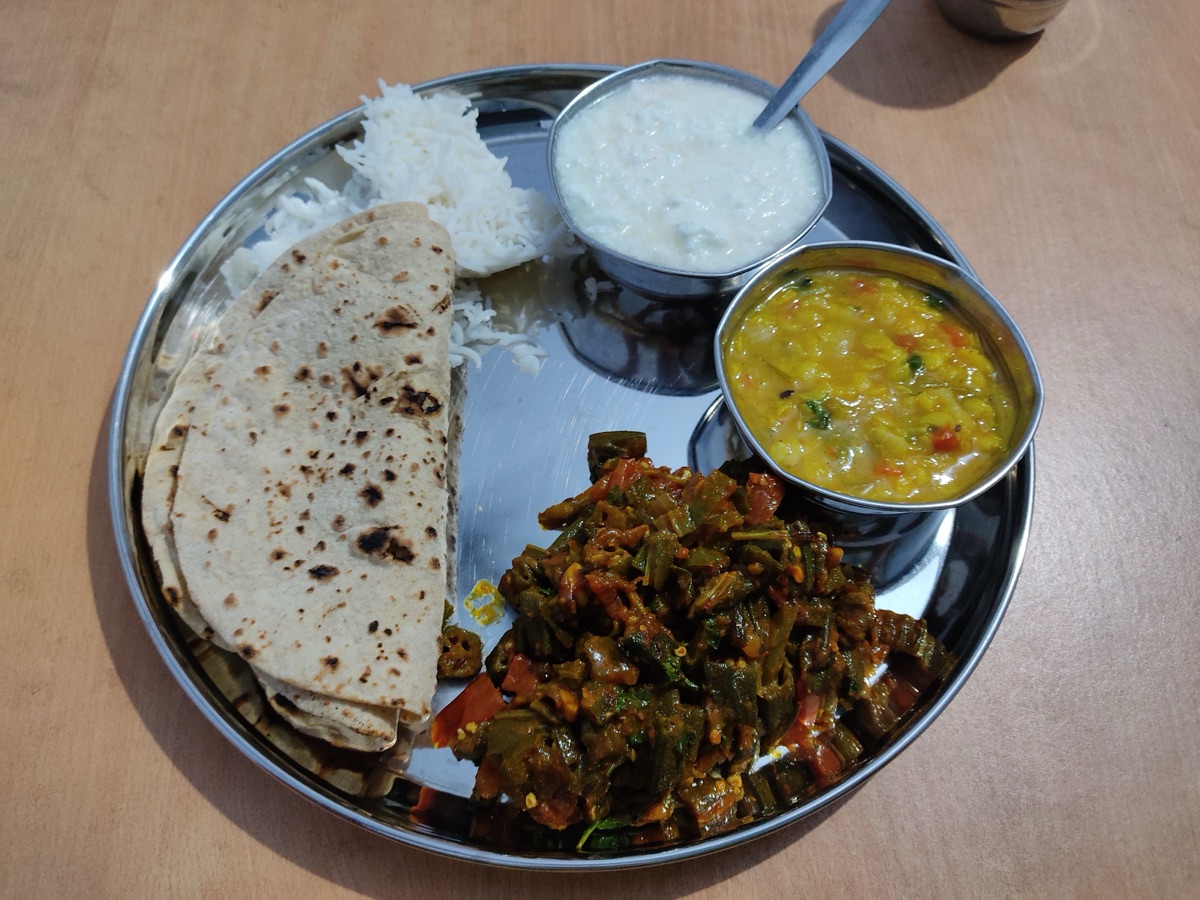
Then pause. Eat without a screen. When you finish, stand up and walk slowly for a few minutes before you go back to work. In Marathi this is called shatapavali, a walk of a hundred paces after a meal. It is not exercise. It is a gap between the plate and the next task.
A cup of warm water or ginger tea in the mid-afternoon covers the rest. The slump that sends you to the snack cupboard is, in Ayurvedic terms, often a lunch problem.
Evening: an earlier dinner and a wind-down
Ayurveda reads early evening, roughly 6 to 10 p.m., as a heavy, slow part of the day. The Night Reset explains the idea: get into bed while that heaviness is still with you, and sleep tends to come easier; stay up past it and a second wind arrives.
So the evening routine is mostly subtraction.
- Eat dinner earlier and lighter. Soup, dal, steamed vegetables, rice. Leave a gap between dinner and bed.
- Let the house go dim. Lamps instead of ceiling lights. Screens away an hour before bed. The camping study above is the modern echo: more daylight, less light after sunset, an earlier clock.
- A little oil on your feet. Two minutes, sesame oil, socks on. Winding Down has more evening rituals to choose from.
- Aim for bed around 10. The Ayurvedic sleep guide goes deeper on why the tradition sets the line there.
Start with one or two practices
The fastest way to fail at dinacharya is to do all of it on Monday.
Pick one morning habit and one evening habit. Tongue scraping and an earlier dinner. Warm water and lamps after dark. Tie each to something you already do: the kettle, brushing your teeth, locking the door. Do them every day for two weeks before adding anything.
Then check in honestly. Are your mornings steadier? Is the afternoon slump smaller? Are you getting to bed earlier? If yes, add a piece. If no, change the piece, not the idea.
A routine supports you. It does not stand in for care. If you are exhausted most days, sleeping badly for weeks, or noticing changes in your digestion or weight that you cannot explain, talk to your healthcare provider. And if you have a medical condition, take medication, are pregnant, or have dental work, check with your provider or dentist before starting oil pulling or changing when you eat.
Otherwise, tomorrow morning is the place to start. Same time. Tongue scraper. Warm water. Nothing else yet.