
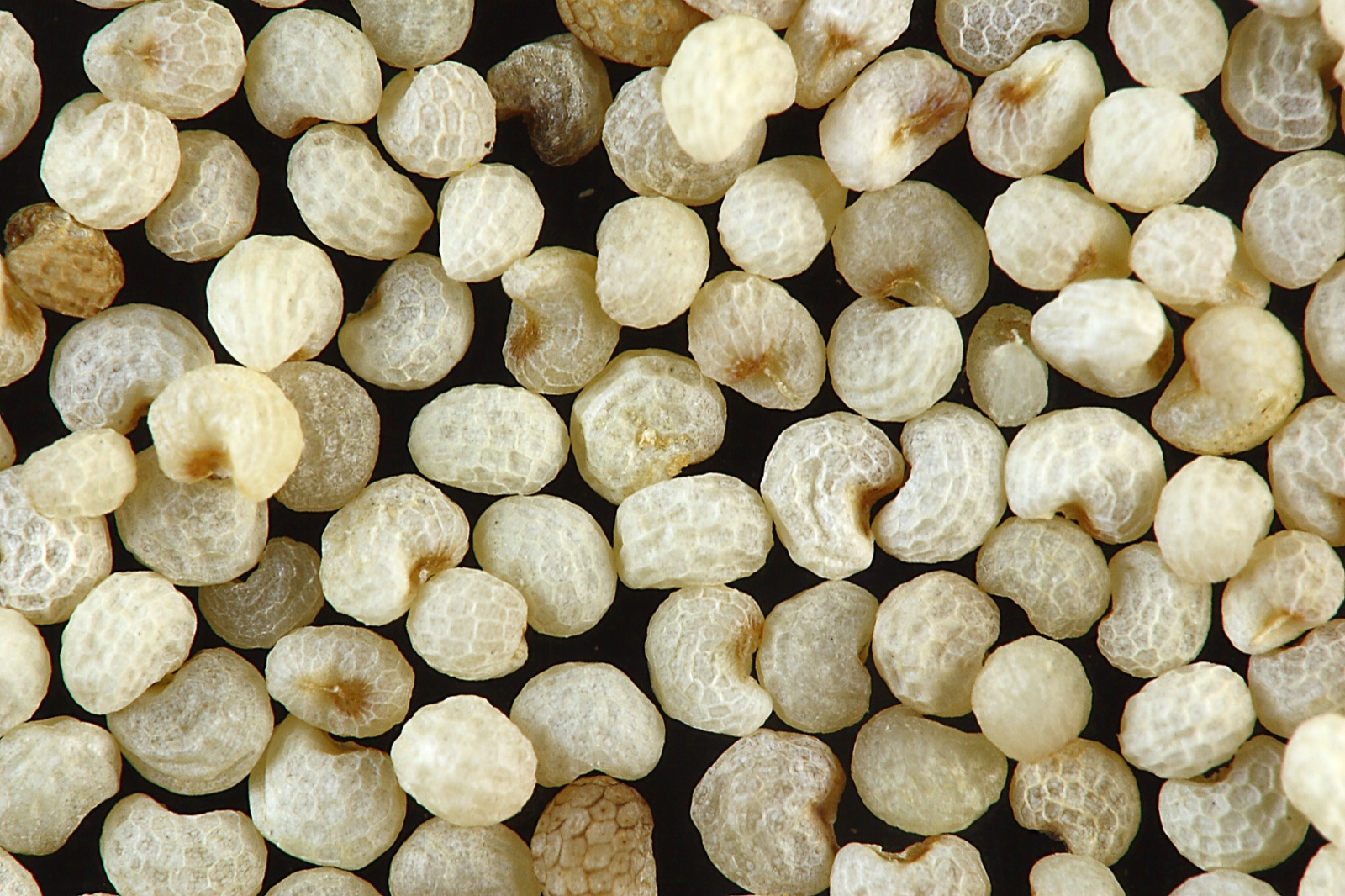
Poppy seeds are not a proven sleep aid. White poppy seeds, called khus khus in Hindi, are used in Indian cooking, and this page once recommended them at bedtime, but when we searched PubMed in October 2026 we found no human trial showing they improve sleep. What the seeds can carry is opiate residue picked up at harvest. Ordinary amounts in food are generally regarded as safe, yet tea brewed from unwashed seeds has caused overdoses and deaths, and poppy seeds in food can produce a positive opiate drug test.
Do poppy seeds help you sleep?
Not on any evidence we can point to. On 6 October 2026 we searched PubMed, the US National Library of Medicine's index of medical research, for poppy seeds, khus khus and sleep, and found no human trial of poppy seeds, khus khus milk or poppy seed paste as a sleep aid. That is an absence in one index, not proof the seeds do nothing, but it means the sleep claim has no published trial behind it that we could find.
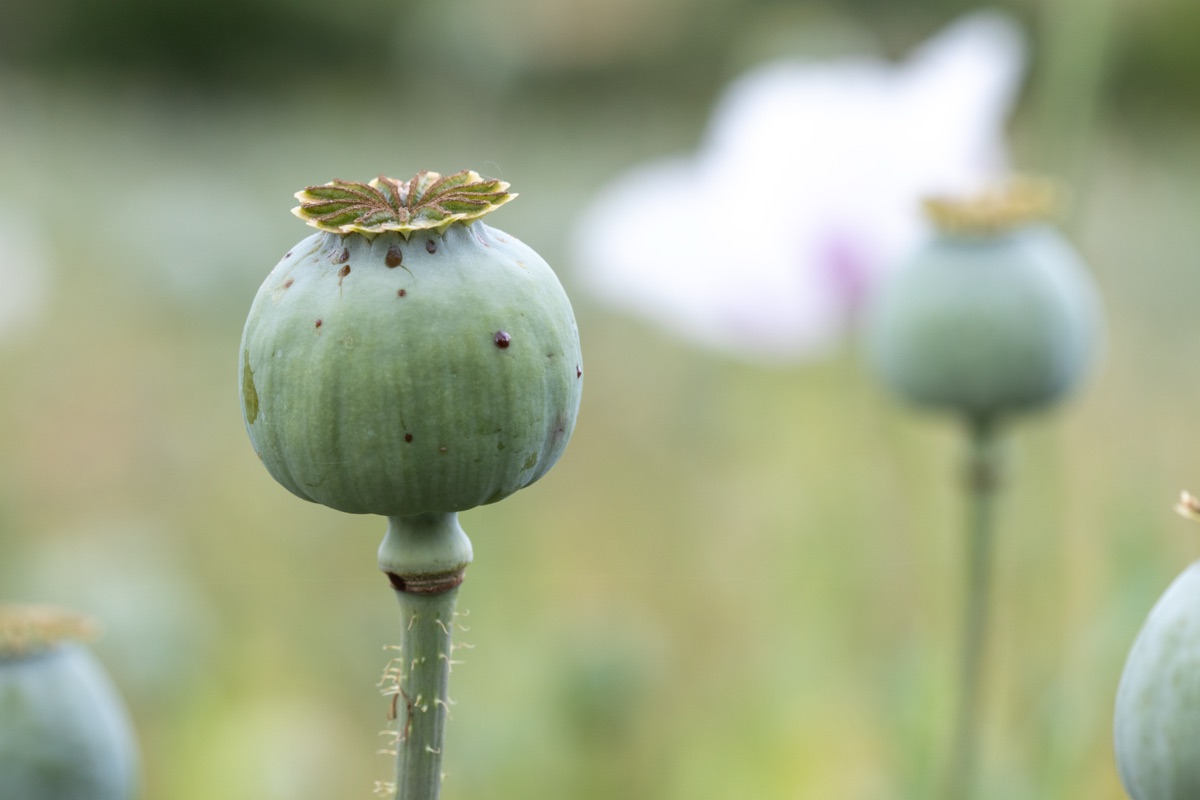
The idea rests on tradition and on the plant. The seeds come from the opium poppy, Papaver somniferum, whose Latin name means sleep-bringing, and the opium poppy is where morphine and codeine come from. A food seed and a drug are not the same thing, though, and the gap between the two is exactly where people get hurt.
The 2018 version of this page called poppy seeds an effective bedtime remedy that relaxes the nervous system and gave a recipe to eat an hour before bed. We could not support that, so it is gone. What replaced it is below: the tradition, what the medical literature actually records, and what to ask your clinician.
The tradition: khus khus in warm milk and food
White poppy seeds have their own names in Indian languages: khus khus in Hindi and posto in Bengali. Ground into a paste, they go into Bengali dishes such as aloo posto, potatoes cooked in poppy seed paste.
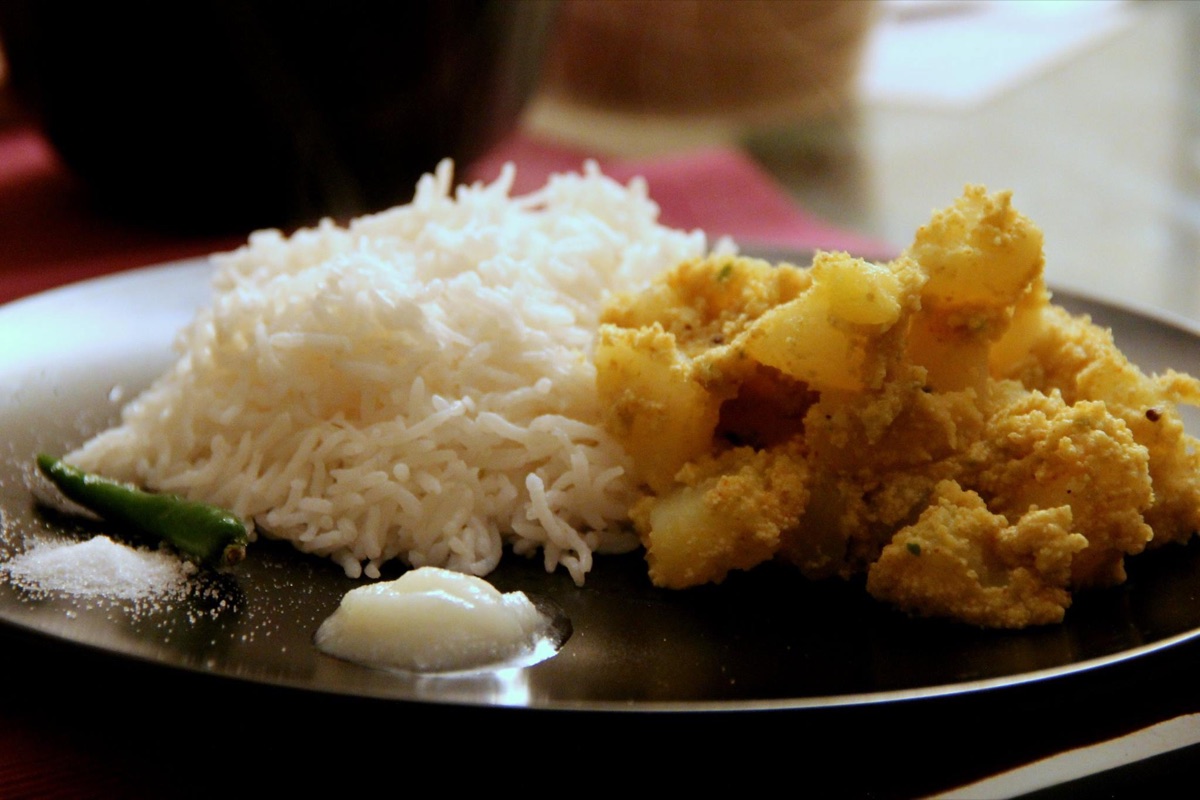
The bedtime ideas behind this page are ground khus khus stirred into warm milk, or the paste of poppy seeds and coconut, mixed with cumin and turmeric warmed in ghee, that this page used to print. Read through Ayurveda's lens, a warm, milky cup fits the tradition's wind-down: our Ayurvedic sleep guide, linked below, suggests spiced milk or a caffeine-free tea in the hour before bed, and keeps dinner itself small. Our notes on drinking milk the Ayurvedic way cover how the tradition prepares the cup itself.
Two honest notes. A bedtime habit in a home kitchen is a description of custom, not evidence that the seeds make you sleep. And seeds cooked into food in culinary amounts are a very different thing from the tea described further down.
Why poppy seeds can carry opiates
A 2010 review in Therapeutic Drug Monitoring by Lachenmeier and colleagues describes the morphine and other opiate alkaloids on poppy seeds as contamination picked up during harvesting. The same review states that normal poppy seed consumption is generally regarded as safe.
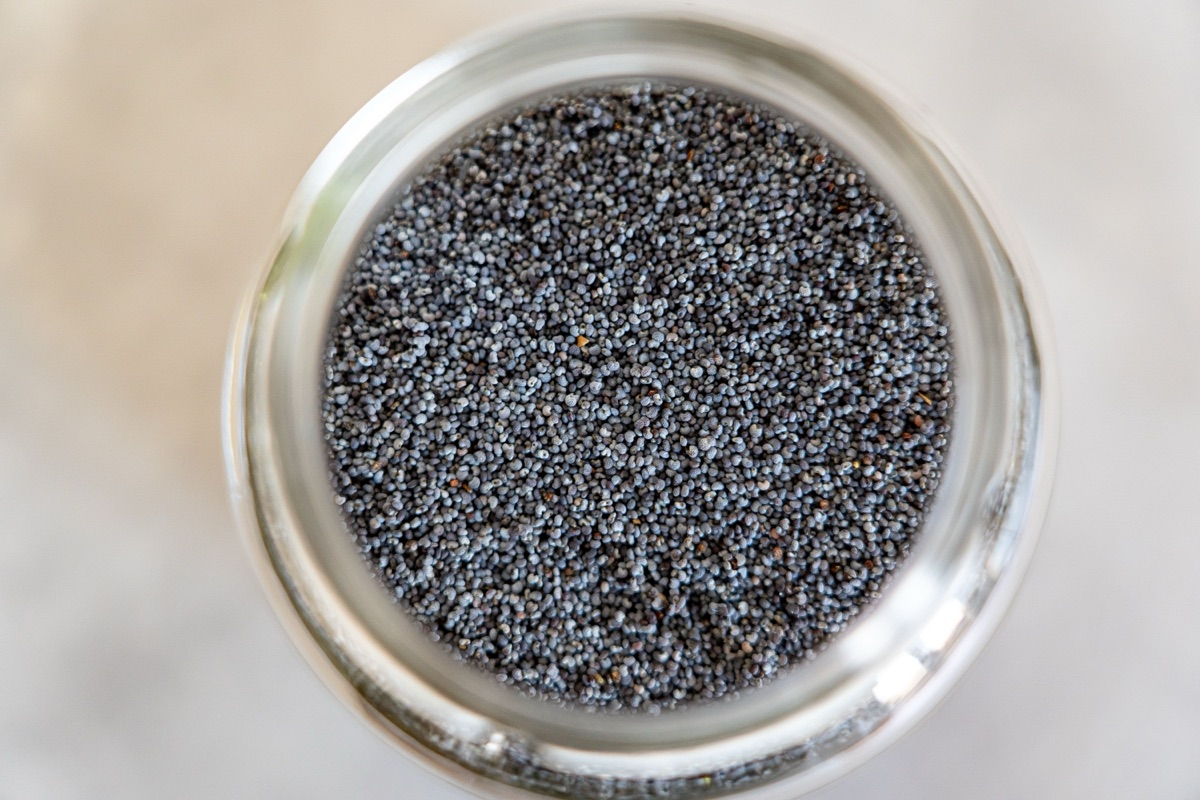
How much residue a given batch carries varies enormously. Powers and colleagues bought poppy seed products online and brewed them the way drug-user forums describe. Morphine ranged from under 1 to 2,788 mg per kilogram of seed across the products and brewing methods they tested, and the authors concluded that lethal amounts of morphine can be rinsed from the seed coats (Journal of Forensic Sciences, 2018). Nobody can see that range by looking at a bag.
Processing changes the picture. Shetge and colleagues reported that washing poppy seeds in water cut morphine, codeine and thebaine by roughly 50 to 80 percent, while baking the seeds into a product made no significant difference (Journal of Agricultural and Food Chemistry, 2020). The 2010 review put the reduction from food processing at up to 90 percent. Those are measurements on particular lab batches, not a guarantee about the seeds in your cupboard.
Poppy seed tea: what the case reports record
Poppy seed tea is made by soaking or rinsing large amounts of unwashed seeds so the residue washes off into a drink. It is usually made for an opioid effect, and sometimes taken for pain or nausea. The medical record of its harms is mostly case reports and poison-center data, and it is grim.
- Deaths. Bishop-Freeman and colleagues, writing from North Carolina's Office of the Chief Medical Examiner, described four postmortem cases; in three, toxicity from the tea was considered the primary cause of death (Journal of Analytical Toxicology, 2020). An analysis of US poison-center records from 2000 to 2018 found 18 overdoses and three deaths likely attributable to poppy, most involving poppy seed tea; FDA adverse-event records added five more deaths, and the authors counted at least 19 US deaths associated with poppy seeds in the literature (Greenthal and colleagues, Clinical Toxicology, 2021).
- Poisoning from a different alkaloid. From November 2022 to January 2023, 40 people across seven Australian states and territories presented with multi-system toxicity after drinking poppy seed tea, in a cluster the authors linked to non-food-grade seeds high in thebaine that had entered the food supply. Blood tests confirmed high thebaine in 23 of them. All 23 had muscle spasms, six had convulsions, two had cardiac arrests, and one died (Isoardi and colleagues, Clinical Toxicology, 2023).
- Dependence. A 2019 review and case report in Pain and Therapy by Haber and colleagues notes that unwashed seeds bought online can make a tea strong enough to produce psychoactive effects and withdrawal symptoms when someone stops abruptly.
- Pregnancy. A 2020 case report in Neonatology by Garcia and colleagues describes a newborn born in opioid withdrawal (neonatal abstinence syndrome) after the mother drank poppy seed tea for nausea, by her report on 5 to 6 days a week for about seven months of pregnancy.
The limits matter too. Case reports and poison-center records show that these harms happen; they cannot tell you how often. The harms recorded here come mostly from tea brewed deliberately from large amounts of seed, usually for an opioid effect; the North Carolina authors note that other drugs taken alongside change how toxic the tea is, and the Australian cluster involved contaminated, non-food-grade seed.
The dose in any one cup is also unknowable at home. A 2026 study by Horowitz and colleagues brewed tea with recipes, seed brands and kitchen equipment the public can get, and found morphine and codeine levels that swung widely between batches, some at levels the authors judged may be clinically relevant (Journal of Medical Toxicology). It was a bench study: nobody drank the tea. That is why this page carries no poppy seed tea recipe and no dose of any kind.
Can poppy seeds make you fail a drug test?
They can. In a 2003 excretion study by Thevis and colleagues, nine volunteers ate cake made with one commercially available batch of poppy seeds. Several of their urine samples contained morphine above 1 microgram per millilitre, the cutoff the International Olympic Committee had set, with peaks of about 10 (Journal of Analytical Toxicology). That is one small study of one batch.
The 2010 review reached three conclusions worth knowing. A false-positive opiate test after eating poppy seed food is possible. No amount of poppy seed food has been established that is certain not to trigger one. And there is no unambiguous marker to tell poppy seed food apart from heroin or pharmaceutical morphine. The same review adds that morphine content had dropped a great deal in the years before it was written, and that most earlier studies ignored losses in food processing and so overestimated the dose. It called for new research on whether today's foods still affect drug tests.
If you face workplace, sport or treatment-program testing, ask the people running it before you eat poppy seeds, and tell them what you have eaten.
What to do instead: the sleep habits Ayurveda leans on
If you came here because you are not sleeping, the tradition has a fuller answer than any single seed. Our Ayurvedic sleep guide lays it out: get into bed in the heavy, drowsy Kapha hours before about 10 p.m., and build a wind-down the body can learn.
- Keep the rhythm. The night reset explains the dosha clock behind that 10 p.m. rule.
- Repeat a short evening sequence. Winding down and rest walks through warm oil on the feet, dim light and a warm caffeine-free cup.
- Have a plan for waking early. If you fall asleep fine but surface at 3 a.m., the Vata hours post covers what to do in the dark.
Warm milk with a pinch of spice still belongs in that routine, as a signal that the day is over, not as a sedative. If you like khus khus in your cooking, it can stay on the menu as food, unless your clinician tells you otherwise.
Questions for your clinician
This page is general education, not medical advice. Talk to your clinician before using poppy seeds or any poppy product for sleep, especially if you take sedatives, opioids or sleep medication, are in opioid treatment or recovery, or are pregnant. Questions worth bringing:
- Could poppy seeds or poppy seed tea interact with anything I take, including sedatives, opioids, sleep medicines or alcohol?
- I am pregnant or breastfeeding. Should I avoid poppy seed products altogether?
- I may be drug tested at work, in sport or in a treatment program. How should I handle poppy seed food before a test?
- My sleep has been poor for weeks. What could be behind it, and what should we check first?
- Which non-drug approaches to sleep make sense for me?