
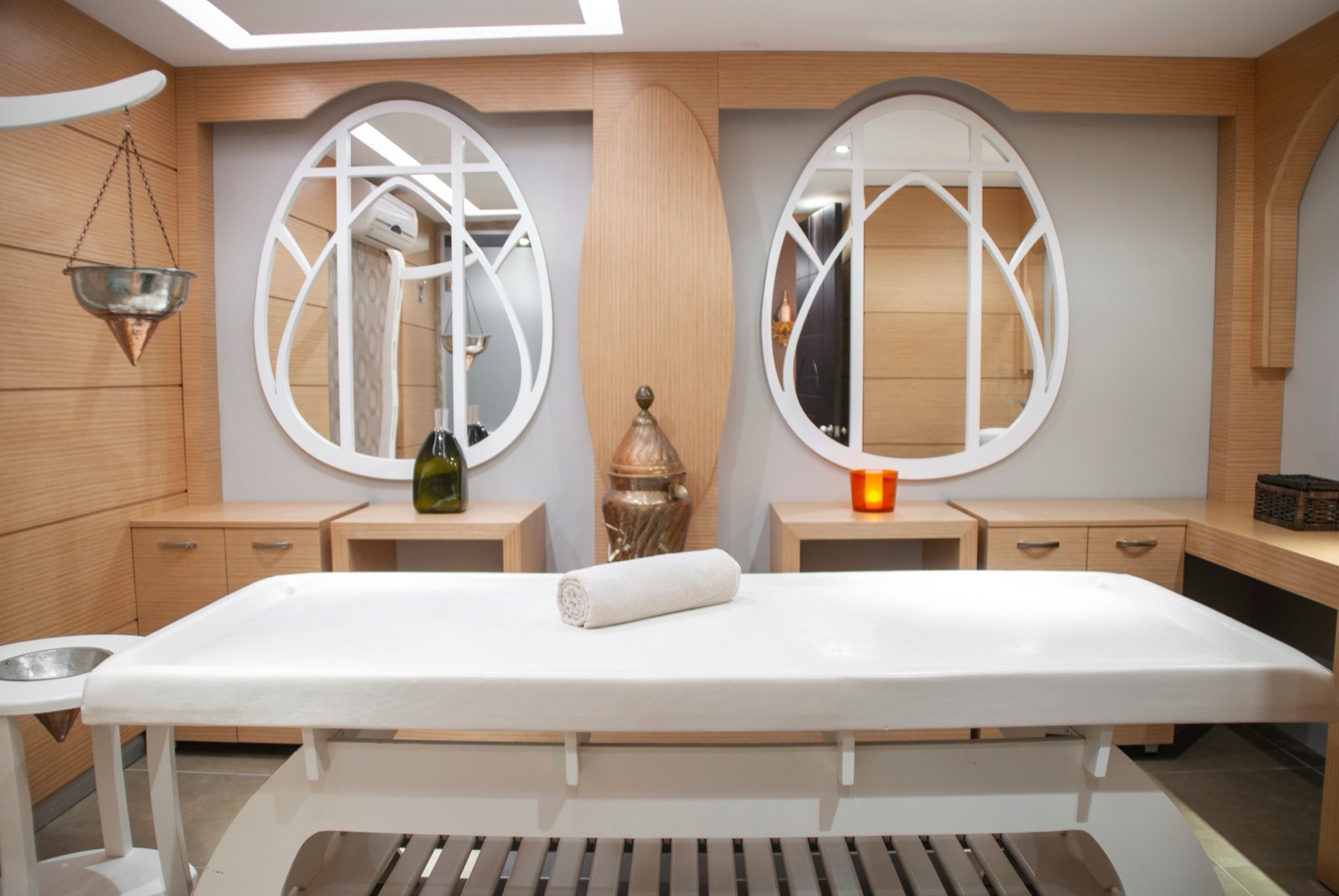
Shirodhara is an Ayurvedic treatment in which warm oil, usually a herbal oil, is poured in a slow, steady stream onto your forehead while you lie on your back with your eyes covered. A session typically runs 30 to 60 minutes. People book it to relax and to sleep better. The research on it is small and early: a handful of little studies report calmer moods and better self-rated sleep, and none of them is large enough to promise that it will fix yours.
That is the honest answer. The rest of this page is what a session actually involves, what the studies measured, and what to ask before you lie down on the table.
What shirodhara is
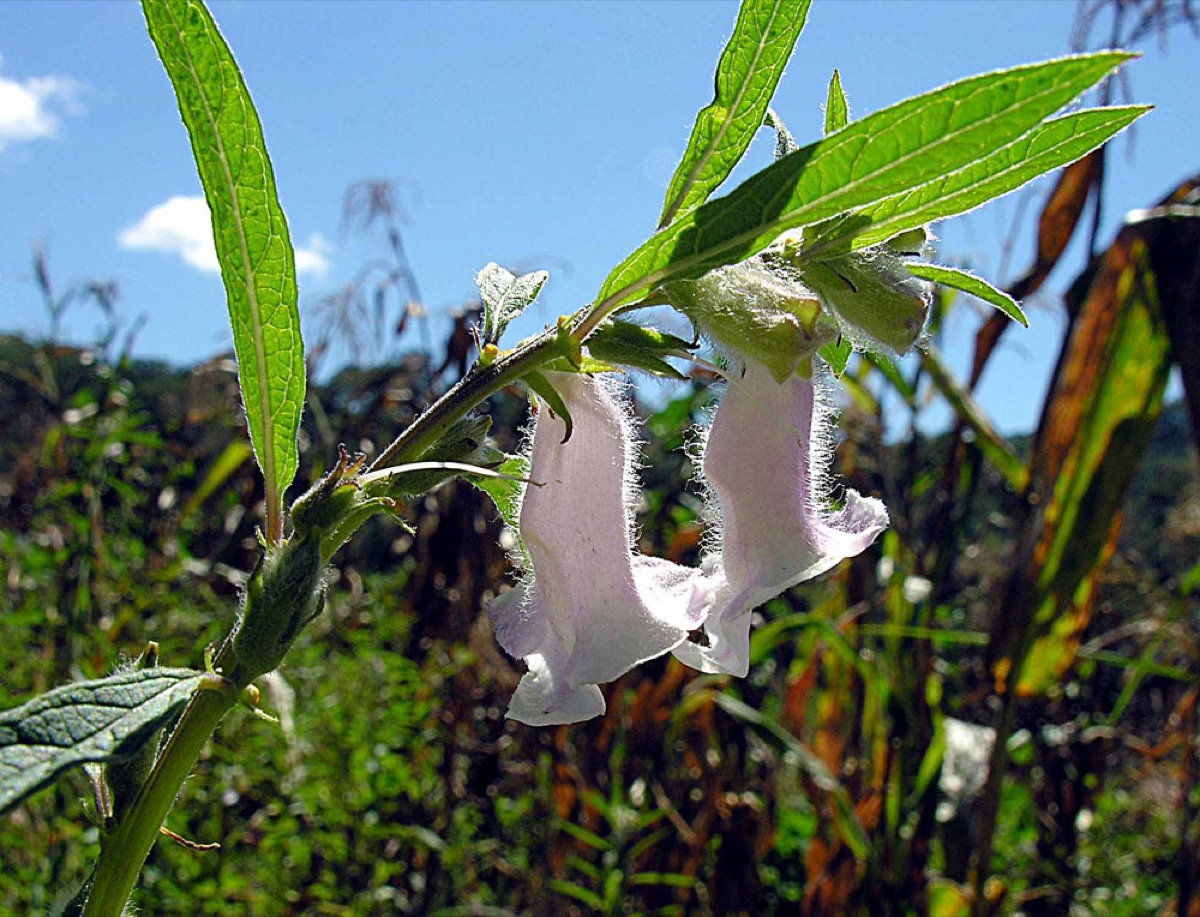
The name is two Sanskrit words. Shiro means head. Dhara means a continuous flow. The liquid is most often sesame oil processed with herbs, and the tradition also uses milk or buttermilk prepared with herbs. The classical setup is a copper vessel with a small hole in the bottom, set above the head so the liquid drips down onto the forehead.
In Ayurvedic terms, shirodhara is a Vata-settling therapy. Vata is air and movement: the racing mind, the body that will not settle at night. Ayurveda balances a quality with its opposite, and a warm, heavy, steady stream is about as opposite to scattered as it gets. That is the traditional logic. It is not a lab finding, and this page does not dress it up as one.
The earlier version of this page explained the effect as the oil stimulating the pituitary gland and soothing the hypothalamus. None of the studies below measured either one, so that explanation is not repeated here. It also listed serotonin, dopamine and melatonin release, relief from migraines and less hair loss. Nothing we could find stood behind those lines, and they are gone.
What happens in a session, step by step
- A conversation first. A practitioner asks about your sleep, your health and any allergies, and chooses the oil. Tradition sets the length and the number of sessions by the person, not by a menu.
- Sometimes a massage. Shirodhara often follows a warm oil body massage, the practice we cover in our piece on abhyanga. You arrive on the table already loose.
- You lie on your back. Your eyes should be covered so oil cannot run into them. In the Indian study below it was soft gauze. If your practitioner skips this, ask.
- The oil starts. Warm oil flows from the vessel onto the center of your forehead, between the eyebrows, and runs back through your hair. In one study the oil was held at about body temperature; in another, a little warmer. It should feel warm, never hot.
- You do nothing. Most sessions last 30 to 60 minutes. Some people drift toward sleep. Others describe a calm, awake state. Both are normal.
- You rest, then deal with your hair. Your hair and scalp will be soaked in oil. Bring a hair tie, wear clothes you do not mind marking, and plan to wash your hair at home.
Traditional courses run from a few days to four weeks of daily sessions. Ask what your practitioner recommends and why.
What the evidence does and does not show
Here is everything this page leans on, with its limits next to it.
Calm, in healthy adults. In a 2013 study of 16 healthy volunteers in India, each person had a body massage and then 45 minutes of warm oil dripped onto the forehead. Afterward, their mood and stress ratings were better, their breathing and heart rate were slower, their diastolic blood pressure was lower, and their EEG showed more alpha activity, which the authors linked to a relaxed, alert state. Salivary cortisol did not change significantly. There was no comparison group, and because the massage came first, nobody can say which part did the work.
Calm, against just lying down. A 2008 study in Japan did add a comparison. Sixteen healthy women were assigned to 30 minutes of oil dripped by a machine or 30 minutes of simply lying face up, and anxiety ratings were lower with the oil. One session, in a lab, with no sleep measured.
Sleep, in a small case series. In a 2014 case series in the United States, ten adults with long-standing sleep trouble had shirodhara with Brahmi oil on five days in a row. The study left out people with depression and people taking prescription sleep medication. Nine finished, and all nine had better insomnia scores at the end of the five days, though for three of them the change was slight. A week after the last session, eight of the nine were still better than when they started and one was worse, and the group's change from where they started was no longer statistically significant. There was no control group, and the authors themselves wrote that the improvement could have come from lying on a table with eyes closed, the ambience or the music.
Sleep, against a warm water comparison. In a 2016 pilot trial in Japan, people with sleep problems had seven 30-minute sessions over two weeks with sesame oil and, separately, with warm water, delivered by a machine. Twenty people started and fifteen finished. After the sesame oil sessions, people rated their sleep quality better on a questionnaire than after the warm water sessions, at the two-week mark. By six weeks the gap was no longer clear. There was no difference in daytime sleepiness, and a sleep monitor picked up no improvement.
The bigger picture. A 2026 systematic review of Ayurvedic approaches to insomnia in older adults, which included shirodhara, found eleven studies. Only two actually studied older people, and the reviewers flagged small samples, missing comparison groups and trials missing from public trial registries.
Put together: shirodhara looks relaxing, the people who try it often rate their sleep better, and it has not been tested in the large, controlled trials that would tell you how much of that is the oil.
Shirodhara side effects
The US case series recorded no adverse events, and a 2020 pilot that added shirodhara to a yoga program reported no side effects in either group. One woman in the US case series quit after the first session because she did not want to wash her hair every day. Small studies are not built to catch rare problems, so treat "none reported" as reassuring, not as a guarantee.
The practical risks are the obvious ones: oil that is too hot, oil in your eyes, a reaction to an oil or herb, and a slippery table when you sit up. A good practitioner has an answer for each.
Who offers it, and what to ask
You will find shirodhara at Ayurvedic clinics and at some wellness spas. In the United States, the National Center for Complementary and Integrative Health says no state requires an Ayurvedic practitioner to hold a license (its page was last updated in 2019), so the questions are your filter.
- What training do you have, and how many of these sessions have you given?
- Which oil will you use, and what is in it? Say so if you react to nuts, fragrance or any herb.
- How do you check the temperature of the oil?
- How will you protect my eyes?
- How long is the session, and how many do you suggest?
Who should check with a provider first
Talk to your doctor before booking if you are pregnant, if you have had recent surgery or an injury to your head, neck or eyes, if the skin on your scalp or face is broken or inflamed, or if you have a heart or blood pressure condition or take medication for one. Tell the practitioner too. Mention it if lying flat and still for an hour is hard for you.
Ongoing sleep trouble is a reason to see your provider
Shirodhara can be part of how you look after yourself. It is not a stand-in for finding out why you cannot sleep. If broken sleep has gone on for weeks, if someone has noticed you snore loudly or stop breathing at night, if you are drowsy in ways that worry you, or if your mood has dropped along with your sleep, see your doctor. The National Center for Complementary and Integrative Health says it plainly on that same page: do not use Ayurvedic medicine to put off seeing a health care provider about a medical problem.
For what Ayurveda does suggest for the nights themselves, the Ayurvedic sleep guide covers the rhythm, and the night reset explains why timing matters as much as hours.
Bringing the idea home: a warm oil evening
Do not rig a drip over your own face. Keep the parts you can do safely: warmth, oil, stillness.
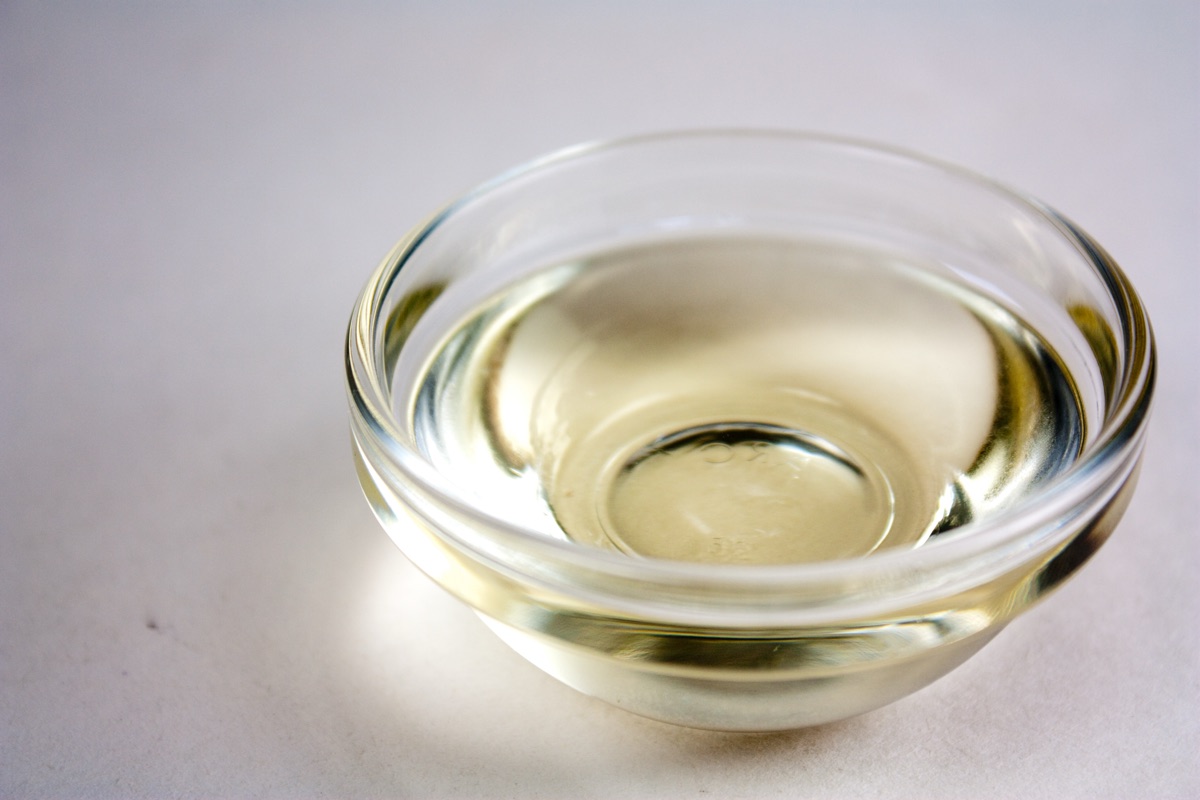
- Warm a little oil. Stand a small bottle of sesame oil in a bowl of hot water for a few minutes. Test a drop on the inside of your wrist. Warm, not hot.
- Oil your scalp and forehead. A teaspoon or two, worked in with slow strokes from your hairline back. Then your feet. Our wind-down rituals use the same move.
- Lie down and stay still. Lights low, eyes closed, ten minutes. If your mind will not settle, put on a yoga nidra recording and let it do the steering.
- Protect the pillow. An old towel over it. Wash your hair in the morning.
It is not shirodhara. It is the part of it you can have tonight.