
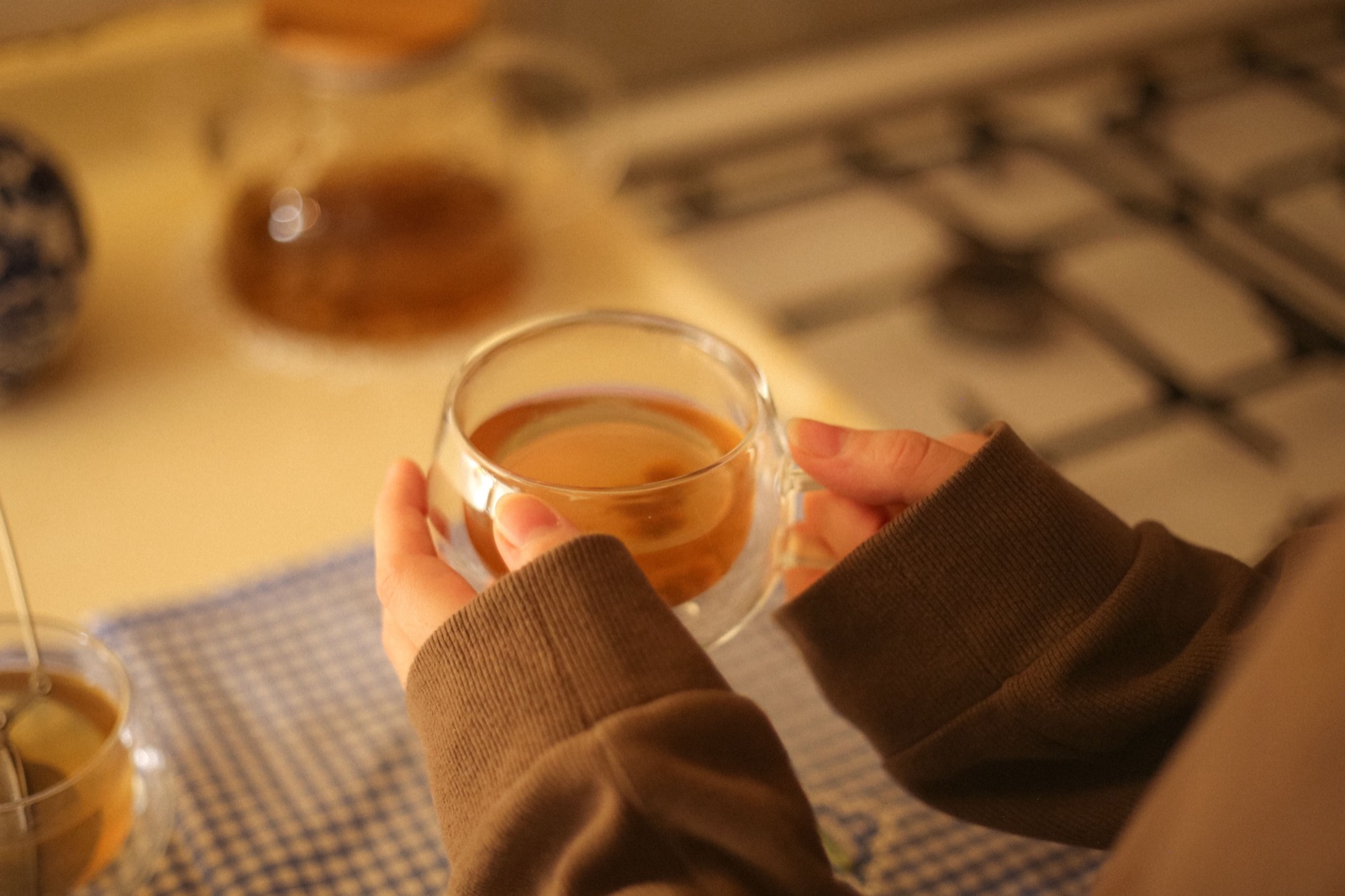
Ayurvedic stress relief rests on five everyday tools: meditation, slow breathing such as nadi shodhana, a steady daily rhythm, warm and regular meals, and a few herbs, chiefly ashwagandha and tulsi. None of them removes the pressure in your life. What they aim at is how you carry it. The research behind them is modest in places and thin in others, and this page tells you which is which.
Stress is not only what happens to you
Most stress advice treats stress like weather. Something outside you that you wait out, or escape on holiday.
Ayurveda starts somewhere less comfortable. The pressure is real. So is the way you meet it: how you sleep, how you eat, how you breathe, and how often you push past signals you already noticed. The tradition reads stress less as a disorder and more as a message that effort has outrun wisdom. We went into that idea, and the Sanskrit behind it, in What Ayurveda Really Teaches About Stress.
In dosha terms, stress often shows up as disturbed Vata, the quality of air and movement. Out of balance, it looks like a racing mind, broken sleep and a wired kind of tired. Ayurveda answers a quality with its opposite. Scattered gets steady. Cold and dry get warm and oiled. Irregular gets rhythm. Every practice below is a version of that one idea.
It is also why the answer is not a better escape. A glass of wine, an hour of scrolling, a late-night order: each takes the edge off for an evening and leaves the pattern exactly where it was.
Meditation: useful, and smaller than the headlines
You may have seen the claim that Transcendental Meditation (TM) cuts the risk of heart attack, stroke and death by 48%, and that no drug can match it. The first half comes from a real study. The second half does not.
It was a single trial, published in 2012 in Circulation: Cardiovascular Quality and Outcomes. Its 201 participants were Black men and women who already had coronary heart disease. They were randomly assigned to learn TM or to attend health education classes, and followed for an average of 5.4 years. The TM group had a 48% lower risk of the combined outcome of death from any cause, heart attack or stroke. The lead author was based at Maharishi University of Management, now Maharishi International University, which was founded by Maharishi Mahesh Yogi and where students practice TM daily.
That is a real result, in heart patients, from researchers close to the practice they tested. The authors themselves noted the trial was too small to judge death, heart attack or stroke one at a time. It is not proof that meditation protects anyone who is stressed, and the trial did not compare TM with any medication. The "no drug can match it" line is marketing.
For the wider picture, look at the pooled trials. A 2014 review in JAMA Internal Medicine pooled 47 randomized trials with 3,515 participants. Mindfulness meditation programs showed moderate evidence of small improvements in anxiety, depression and pain, and low evidence of improvement in stress and distress. The reviewers found no evidence that meditation programs did better than active treatments such as medication, exercise or other behavioral therapies.
Small to moderate, then. For something free that you can do in a chair, that is worth having. Just do not ask it to carry more than it can.
Ayurveda adds something the trials do not test: fit. A restless mind, a driven mind and a heavy mind do not settle the same way, and forcing the wrong style is how people decide they are bad at meditating. How to Meditate Deeply: A Guide for Every Dosha matches the method to the person.
Breath: nadi shodhana, step by step
If sitting to meditate feels impossible right now, start with your breath. It asks for less. You only have to count.
Nadi shodhana, or alternate nostril breathing, is a breath Ayurveda often recommends when Vata is unsettled. Here is a gentle version.
- Sit tall in a chair with your feet flat on the floor. Rest your left hand in your lap.
- Fold the index and middle fingers of your right hand into your palm. Your thumb looks after the right nostril. Your ring finger looks after the left.
- Press the right nostril softly shut with your thumb. Breathe in through the left for a slow count of four.
- Close the left side with your ring finger and lift your thumb. Breathe out through the right for a count of six, or four if six is a stretch.
- Breathe in through the right for four. Close it, open the left, and breathe out through the left. That is one full round.
- Do five rounds. Over a week or two, build toward five minutes.
Skip the breath holds. Some traditional versions add them, but you do not need them for this. If you feel dizzy, stop and breathe normally. If your nose is blocked, leave your hands in your lap and simply breathe slowly.
What the research backs is slowness, not the nostril switching. A 2018 systematic review looked at slow breathing, fewer than 10 breaths a minute, in healthy volunteers. Slowing down went along with higher heart rate variability, often read as a sign of rest-and-digest activity, and with people reporting more relaxation and less anxiety. Only 15 studies met its criteria, all of them in healthy people. None of it shows that alternating nostrils matters more than the pace. A count of four in and six out comes to about six breaths a minute, well inside that range. The fingers give your attention something to do while the pace does its work.
Rhythm: waking, meals and bedtime at steady times
Stress loves an irregular day. Late nights, a skipped lunch, dinner at nine, a different wake time every morning. Ayurveda reads that as Vata running the house, and it answers with the least exciting tool on this page: doing the basics at roughly the same times.
- Wake at a steady time, close to sunrise if you can, and within an hour of it on weekends.
- Make lunch your main meal. Ayurveda teaches that digestion is strongest in the middle of the day.
- Keep dinner lighter and earlier.
- Aim for bed around 10 p.m. Ayurveda calls the early evening the Kapha window, when the body turns heavy and sleep comes more easily. Stay up past it and you often catch a second wind.
The Night Reset walks through the whole night in dosha windows. A few minutes of warm oil massage before bed fits well here too. Our abhyanga post covers the massage itself, and From Fight-or-Flight to Flow sets it alongside other practices for a nervous system stuck on high alert.
Ayurveda does not ask for a perfect schedule. It asks for a more regular one than you had last month.
Food: warm, regular, grounding
Under stress, what you eat matters in Ayurveda, and so does how you eat it. Cold smoothies at the desk, crackers in the car and dinners eaten standing at the counter all add lightness and irregularity to a system that already has too much of both.
The Ayurvedic direction is the opposite:
- Warm, cooked, slightly oily meals: soups, stews, kitchari, root vegetables, rice.
- More of the sweet, sour and salty tastes, which Ayurveda counts as grounding for Vata.
- A warm drink in the evening, such as milk with a pinch of nutmeg or cardamom, if dairy agrees with you.
- Meals eaten sitting down, away from a screen, at roughly the same times each day.
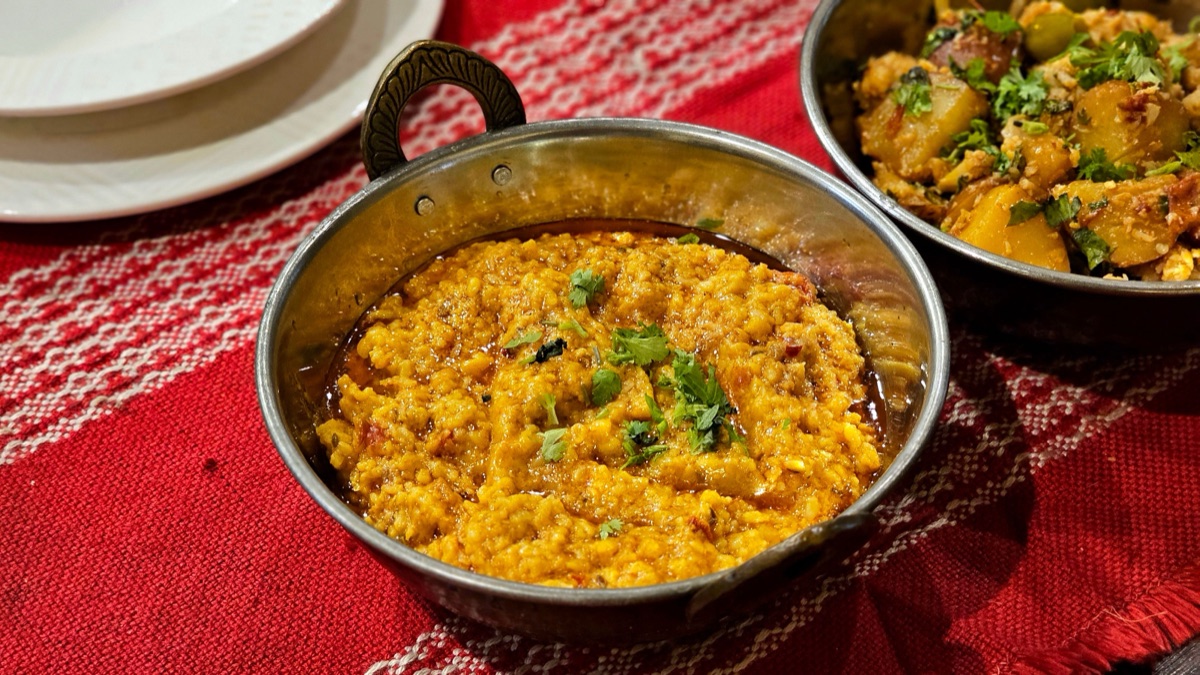
This is traditional guidance, not a nutrition prescription. If you manage a health condition through diet, your own care team has the final word. And if you are not sure which dosha is out of balance for you, the dosha quiz will show you which way your plate should lean.
Herbs: traditional uses, the research, and why to check first
This is where most Ayurvedic stress articles oversell. Herbs are real substances with real effects. That is exactly why they deserve more care than a list of adjectives.
Ashwagandha (Withania somnifera). Long used in the tradition as a tonic, and now tested for stress in several randomized trials. A 2024 meta-analysis pooled nine randomized trials with 558 participants and found lower perceived stress scores, anxiety ratings and blood cortisol with ashwagandha than with placebo. Four of those trials reported mild to moderate side effects. A 2025 meta-analysis drew a narrower picture: cortisol went down, but perceived stress, meaning how stressed people said they felt, did not change significantly. Both sets of authors say long-term safety still needs study.
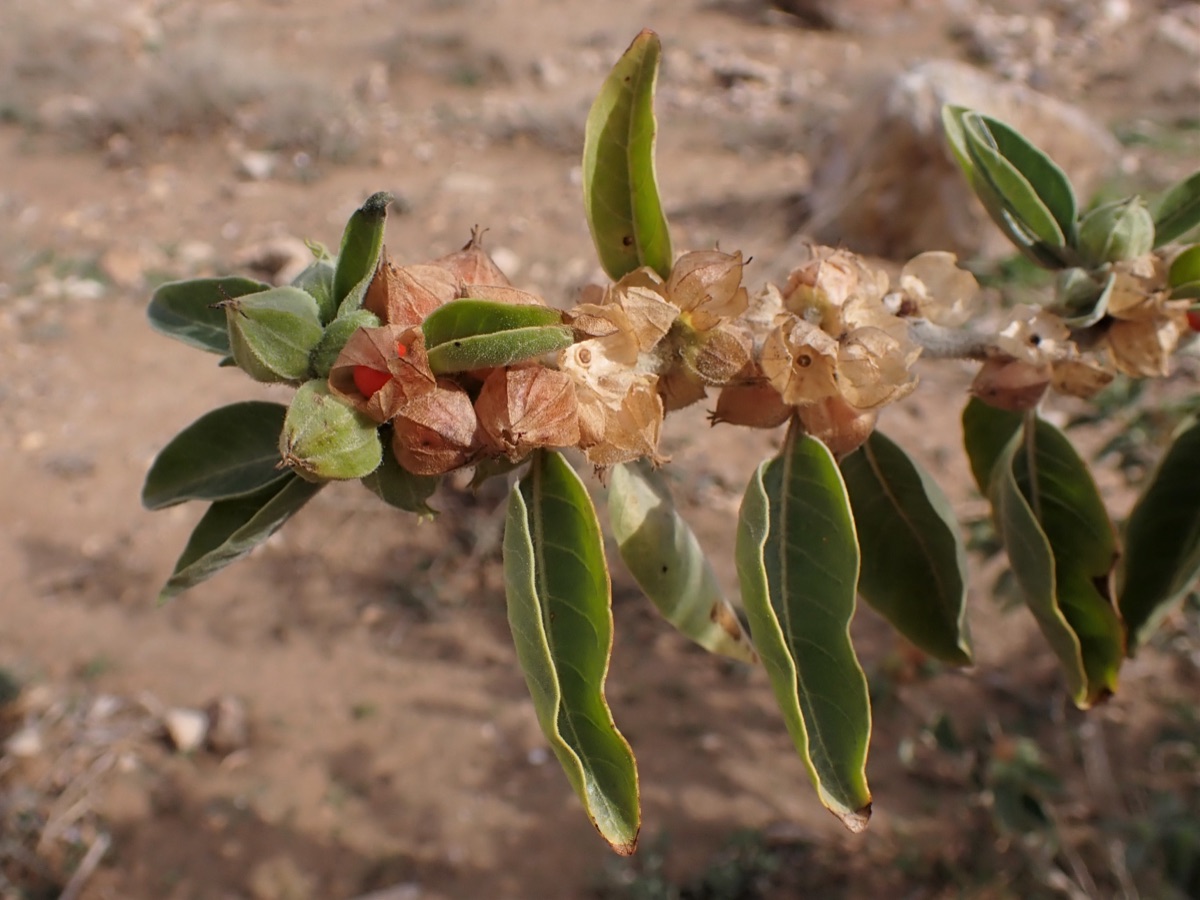
There is also a safety signal you should know about. A 2026 scoping review gathered 25 published cases of liver injury linked to products containing ashwagandha, some of them blends with other herbs. It usually showed up after weeks of use, and most people recovered after stopping, but one person needed a liver transplant and three people who already had cirrhosis died. The authors advise people with advanced liver disease to avoid it. Case reports cannot tell you how often this happens. They do tell you that it happens.
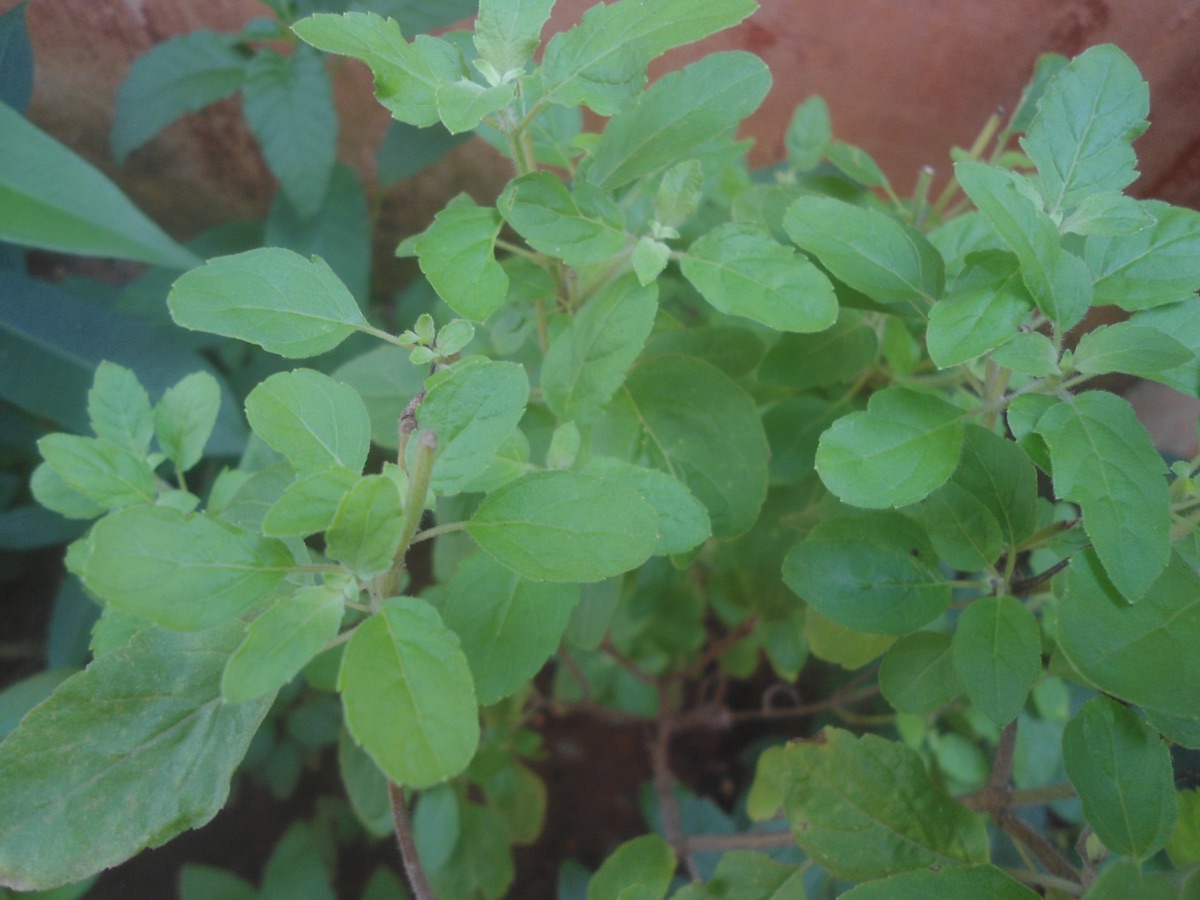
Tulsi (holy basil). Revered in Ayurveda and often drunk as a tea. A 2017 systematic review found 24 human studies of tulsi, covering many uses, not stress alone. All reported favorable outcomes and none reported significant side effects. The studies were also small and short: 1,111 people across all 24, only three trials with 100 or more participants, none longer than 13 weeks, and only three rated high quality. The authors still called for more work on dose, form and who is most likely to benefit. A clean sweep across small, mixed studies is a reason for interest, not certainty.
Brahmi. Read the label before you buy anything sold under this name. In some regions of India the name is used for two different plants, Bacopa monnieri and Centella asiatica, and the two are often used interchangeably in the herb trade, which can lead to mislabeling. If a product does not print the Latin name, you cannot tell which plant you are buying.
Before you take any herb for stress, talk to your doctor or pharmacist first. That goes double if you are pregnant or breastfeeding, take any prescription medication, or have a liver condition. Natural describes where something came from. It does not describe what it does in your body.
When stress is a reason to see your provider
Ayurveda is a way of living, not an emergency service. Talk to your doctor if:
- Stress has been wearing down your sleep, appetite, mood or concentration for weeks, not days.
- You have chest pain or pressure that does not go away, or a racing or pounding heart that will not settle, especially with shortness of breath or feeling faint. Call your emergency number. Do not try to breathe through it. Chest pain that comes and goes still needs a doctor.
- You are leaning on alcohol, food or anything else to get through the day, and it is getting harder to stop.
- Worry or low mood is getting in the way of work, family or the things you used to enjoy.
If you are having thoughts of harming yourself, contact emergency services or a crisis line now. In the US, you can call or text 988.
Nothing on this page replaces that care. Use these practices alongside it.
Start with one
You do not need all five. Stacking them is how a stress plan turns into one more thing to fail at.
Pick the one that matches where your day comes apart:
- Your mind races at night: five rounds of nadi shodhana, sitting on the edge of the bed.
- Your days have no shape: one fixed wake time, this week only.
- You eat at the desk or in the car: one warm, seated lunch a day.
- You meditate but it feels like a struggle: change the style to suit your dosha.
Give it a week, then notice whether the day feels any different. If tiredness is a bigger problem than worry, Ayurveda for Energy and Burnout is the better next read.